11 Unhealthy Cooking Habits That Are Silently Damaging Your Health
Cooking represents one of the most intimate daily activities we engage in. It's routine, familiar, sometimes rushed, and occasionally careless. Many people assume that cooking at home automatically translates to healthier choices, but this assumption isn't always accurate. Certain cooking habits, repeated without conscious thought, quietly erode our health gradually, steadily, and sometimes irreversibly.
According to recent dietary studies, poor eating habits have contributed to approximately one-fourth of the population being either overweight or obese. Research indicates that poor, fair, and good dietary habits were observed in 8.9%, 69.8%, and 21.4% of participants respectively. These statistics highlight that health outcomes depend not only on what we eat but also significantly on how we prepare our food.
Excessive Use of Cooking Oils
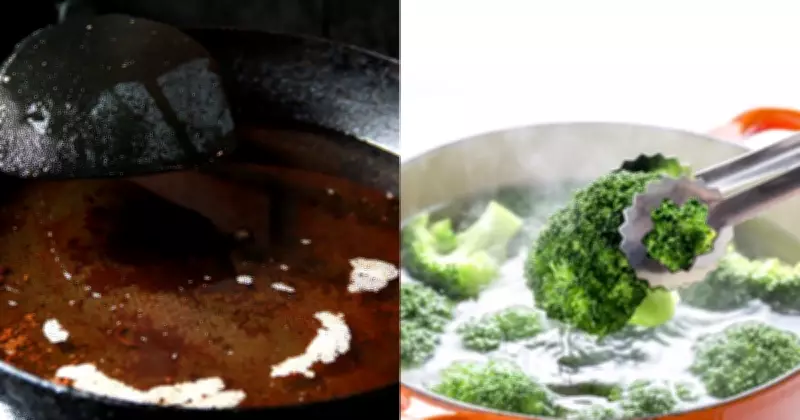
While oils undoubtedly enhance food flavor, they present hidden health risks. Cooking oils are calorie-dense, with just one tablespoon containing approximately 120 calories. Generous oil usage during cooking leads to rapid calorie accumulation that often goes unnoticed. More concerning is the type of oil being used, as oils high in saturated fats, when consumed excessively, are linked to increased risks of heart disease and weight gain.
Common problematic practices include deep frying, repeated oil reuse, and pouring oil directly from bottles without proper measurement. Healthier alternatives include olive oil for low-heat cooking, avocado oil, coconut oil in moderation, and groundnut oil for high-heat cooking. However, even healthy oils become detrimental when overused, emphasizing that moderation remains crucial.
Skipping Fresh Ingredients for Processed Foods
Convenience has gradually dominated many kitchens through pre-cut vegetables, packaged sauces, instant seasonings, and frozen ready-to-cook meals. While these save time, they frequently contain high sodium levels, preservatives, hidden sugars, and artificial flavor enhancers. Over time, these contribute to high blood pressure, obesity, and increased metabolic disorder risks.
Fresh ingredients provide control over what enters your cooking pot, allowing intentional adjustments of salt, oil, and other components. Though requiring slightly more effort, the long-term health benefits are substantial.
Not Using Enough Herbs and Spices
Many cooks heavily rely on salt, seasoning cubes, or processed sauces for flavor, overlooking the benefits of herbs and spices. These natural ingredients don't merely enhance taste—they offer significant health advantages. Turmeric contains anti-inflammatory compounds, garlic supports heart health, ginger aids digestion, while basil and rosemary provide antioxidants.
Proper use of herbs and spices naturally reduces the need for excess salt and sugar, making cooking richer, healthier, and more interesting.
Overcooking Vegetables
Vegetables left boiling for extended periods lose color, texture, and vital nutrients. Overcooking significantly reduces vitamin C, B vitamins, and antioxidant content. By the time vegetables become soft and dull, much nutritional value has already dissipated.
Better preparation methods include steaming, light sautéing, roasting, and stir-frying, which preserve both nutrients and flavor while maintaining appealing texture.
Ignoring Food Safety Practices
Food safety often receives insufficient attention in busy kitchens, yet poor handling can lead to serious foodborne illnesses. Common mistakes include not washing hands before cooking, using the same cutting board for raw meat and vegetables, leaving cooked food at room temperature too long, and improper leftover storage.
Bacteria multiply rapidly in warm conditions, making even clean-looking food potentially unsafe. Simple preventive habits include frequent hand washing, separating raw and cooked foods, proper storage of leftovers, and thorough meat cooking.
Using Damaged Non-Stick Cookware
While non-stick pans offer convenience and easy cleaning, scratched or damaged cookware can release harmful chemicals when heated, particularly at high temperatures. If the coating shows peeling, flaking, or visible scratches, replacement becomes necessary.
To extend cookware lifespan, use wooden or silicone utensils, avoid metal spoons, and prevent overheating empty pans. These small care habits protect both your cookware and your health.
Cooking With Oils Beyond Their Smoke Point
Every oil possesses a smoke point—the temperature at which it begins breaking down. When oils reach this point, nutrients degrade, harmful compounds form, and food absorbs degraded oil. For instance, olive oil works best for low to medium heat, while peanut oil handles higher temperatures, and grapeseed oil offers heat stability.
Using inappropriate oils for high-heat cooking quietly introduces unhealthy compounds into food, with effects that accumulate over time.
Excessive Use of Sugar and Salt
This represents one of cooking's most significant hidden dangers. While salt enhances taste and sugar balances flavors, both are frequently overused unconsciously. Excess salt increases risks of high blood pressure, kidney strain, and heart complications, while excessive sugar contributes to weight gain, insulin resistance, and type 2 diabetes risk.
Gradually reducing both helps retrain taste buds, making natural flavors more noticeable over time.
Not Planning Balanced Meals
Throwing random ingredients together becomes common when tired or short on time, but balanced meals significantly impact health. A healthy plate should include protein, carbohydrates, healthy fats, and vegetables. Without balance, meals become heavy in some areas while lacking in others, affecting energy levels, metabolism, and overall health.
Portion size also matters significantly, as large portions—even of healthy foods—can lead to overeating.
Cooking Food on High Flame
High-flame cooking saves time but often burns food externally while leaving it undercooked internally, simultaneously destroying nutrients. Food cooked too rapidly rarely cooks evenly, and constant stirring prevents proper heat contact with cooking surfaces, resulting in undercooked centers, burnt edges, and reduced nutritional value.
Medium heat, though slower, produces better texture, flavor, and safer meals.
Washing Raw Meat Before Cooking
Contrary to popular belief, washing raw meat doesn't remove bacteria but instead spreads it around sinks, countertops, and nearby utensils through water splashes. Thorough cooking—not washing—eliminates harmful bacteria. This simple habit adjustment can significantly reduce kitchen contamination risks.
Cooking represents more than mere food preparation—it's a daily decision shaping long-term health. These habits don't cause immediate harm, making them particularly dangerous as they work slowly, quietly, and repeatedly. The positive aspect is their ease of correction through small adjustments: less oil, lower heat, fresh ingredients, and better cookware can transform cooking into truly nourishing practice. When done correctly, cooking doesn't merely fill your stomach—it protects your future.