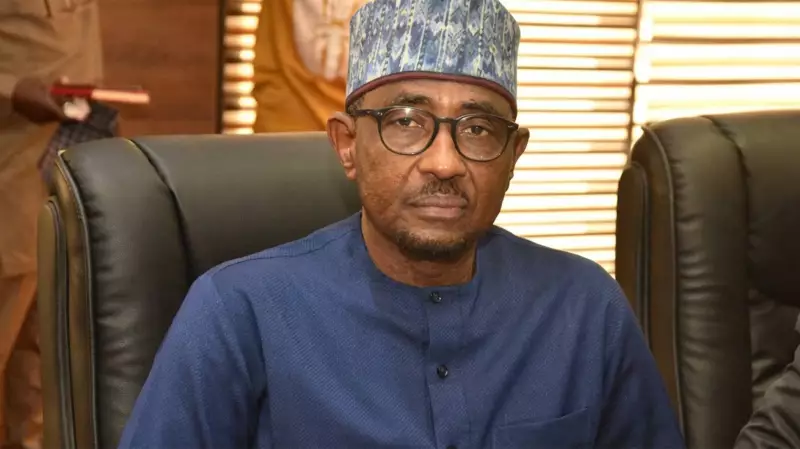
The outgoing Chief Executive of the Nigerian Midstream and Downstream Petroleum Regulatory Authority (NMDPRA), Farouk Ahmed, has publicly dismissed allegations that he spent approximately $5 million on his children's overseas education. He has instead invited anti-corruption agencies to scrutinise his finances, asserting that his legitimate income, scholarships, and family support adequately covered all expenses.
Senators Celebrate Regulatory Shake-Up
This defence comes as Senator Adams Oshiomhole (APC, Edo North) revealed he celebrated the resignations of Ahmed and Gbenga Komolafe of the NUPRC with bottles of beer. He described their departure as necessary for Nigeria's economic survival. Senator David Jimkuta (APC, Taraba South) reportedly joined in the celebration. Their comments were made during the Senate screening of new nominees for the regulatory agencies on December 18, 2025.
Ahmed's Detailed Financial Breakdown
In a detailed statement, Ahmed traced his career to 1991 when he joined the Department of Petroleum Resources (DPR). He emphasised his rise from junior engineer to chief executive was merit-based. Addressing the education funding, he stated his annual salary as NMDPRA CEO is about N48 million, a figure documented in audited reports.
He explained that three of his four children received merit-based scholarships covering 40% to 65% of tuition. Additional support came from an education trust set up by his late father in 2018. Ahmed maintained his contributions were from decades of savings, cooperative investments, and family resources, all declared to the Code of Conduct Bureau (CCB).
"I have submitted asset declarations every year," Ahmed stated, authorising his children's schools to release financial records to Nigerian investigators.
New Leadership Presents Ambitious Visions
The screening by the Joint Senate Committee introduced the proposed new leaders: Oritsemeyiwa Eyesan as NUPRC CEO and Saidu Mohammed as NMDPRA CEO. Eyesan outlined a reform agenda focused on digitisation, asset integrity, and full PIA implementation. She warned that regulators without digital systems are "losing money and wasting resources."
Mohammed emphasised strengthening local investment, boosting gas supply, and enforcing quality standards. He stressed the need for strong contracts between producers and users to ensure efficient gas operations.
Civil Society Calls for Policy Overhaul
Amid the leadership transition, the Miideekor Environmental Development Initiative (MEDI) called on the incoming chiefs to urgently overhaul Nigeria's oil sector divestment policies. The group warned current practices deepen environmental injustice in oil-producing communities.
The reshuffle follows a public dispute between Ahmed and Aliko Dangote, who accused the NMDPRA of frustrating domestic refining through import licences. Oshiomhole criticised the outgoing leadership's "shameful policy choices," arguing job creation requires support for labour-intensive industries like refineries.