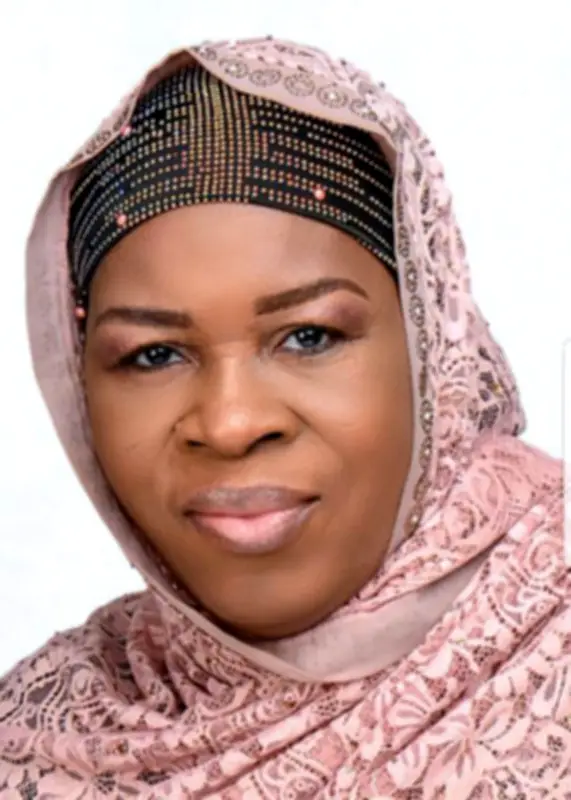
In a compelling opinion piece, Zainab Suleiman Okino addresses the pervasive issue of mob murders in northern Nigeria, arguing that the region must undertake a profound process of healing to break the cycle of violence. She contends that mob justice, often fueled by suspicion, religious extremism, and economic desperation, has become a symptom of deeper societal wounds that require collective introspection and action.
The Anatomy of Mob Violence
Okino traces the roots of mob murders to a breakdown of trust in formal justice systems, where delays, corruption, and inefficiency drive communities to take the law into their own hands. She cites specific incidents, such as the lynching of individuals accused of blasphemy or theft, which often occur with impunity. According to Okino, these acts are not spontaneous but reflect a culture of impunity that has been normalized over decades.
The author emphasizes that the North's history of conflict, including the Boko Haram insurgency and farmer-herder clashes, has desensitized many to violence. She notes that trauma, when unaddressed, perpetuates aggression and scapegoating. Okino calls for a multi-pronged approach that includes reforming the judiciary, strengthening community policing, and investing in mental health services.
The Role of Traditional and Religious Leaders
Okino points to the critical role of traditional and religious leaders in either curbing or condoning mob violence. She argues that some leaders have exploited religious sentiments to justify extrajudicial killings, while others have remained silent. The piece urges these figures to actively preach against mob justice and promote reconciliation. Quoting a community elder, she writes: 'When we kill a man without trial, we kill our own humanity.'
The author also highlights the economic dimension, noting that poverty and unemployment make young men vulnerable to radicalization and mob recruitment. She suggests that job creation and educational reforms are essential long-term solutions.
A Call for Collective Healing
Okino concludes by asserting that the North must heal itself from within. She advocates for truth-telling initiatives, community dialogues, and support for victims' families. 'Healing is not a luxury; it is a necessity for survival,' she writes. The piece serves as a stark reminder that without addressing the underlying causes of mob violence, the cycle of bloodshed will continue unabated.