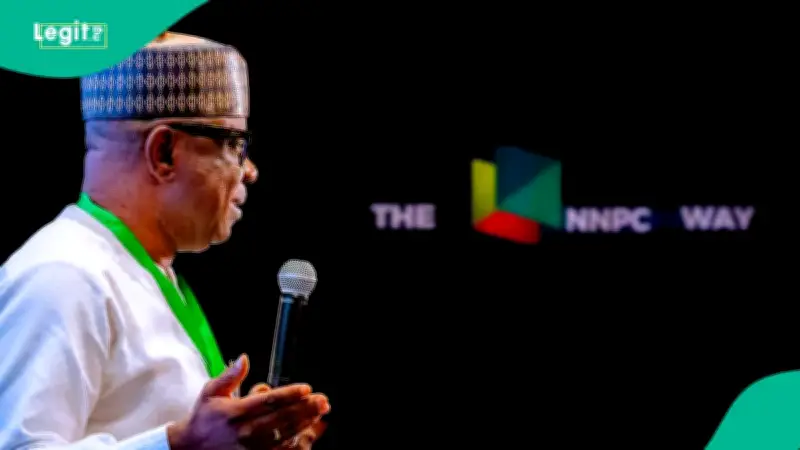
A coalition of energy policy consultants has called for the immediate resignation of Nigerian National Petroleum Company Limited (NNPCL) Group Chief Executive Officer Bayo Ojulari, alleging that the national oil company is secretly bringing back fuel subsidies through opaque financial mechanisms. The Association of Energy Policy and Development Consultants (AEPDC) made the demand in a statement signed by its national president, Dr Ibrahim Danjuma, on Friday, July 31, 2026, in Abuja.
Coalition Demands Ojulari's Resignation
The AEPDC raised alarm over figures in NNPCL's 2024 financial records, which reportedly showed total claims and under-recovery costs of approximately ₦17.5 trillion. Of that sum, about ₦7.13 trillion was classified as energy security and pipeline protection expenses—a categorization the association said lacks sufficient public explanation. The group argued that while protecting oil and gas infrastructure is vital to the economy, no corporate body should expect Nigerians to accept expenditures in the trillions without detailed disclosure.
"The Nigerian people deserve to know precisely what these enormous expenditures covered, who the contractors are, the procurement processes adopted, the duration of the contracts, the performance benchmarks, and the value delivered to the nation," the statement read. The consultants also criticized the joint investigative panel set up by the National Assembly's Committees on Petroleum Upstream, Midstream, Downstream and Gas, which was tasked with examining the contracts. They said Nigerians are still waiting for a public report from that exercise and urged lawmakers to conclude the probe and release their findings without further delay.
Trillion-Naira Security Claims Under Scrutiny
The AEPDC specifically questioned the opacity surrounding the ₦7.13 trillion designated as energy security and pipeline protection. "It is difficult to convince Nigerians that subsidy has ended when massive claims continue to emerge under various classifications whose operational details remain largely unavailable for public scrutiny," the statement said. The group insisted that a commercially driven national oil company has no business operating with the level of secrecy currently on display. It called on the federal government to strengthen oversight of NNPCL and ensure all expenditures related to energy security, pipeline surveillance, and infrastructure protection are subjected to independent audits on a regular basis.
On Ojulari's future at the helm, the association said: "If Mr Bayo Ojulari cannot inspire confidence through transparent management, timely disclosures, and accountable corporate governance, then he should consider stepping aside in the overall interest of the institution and the nation." The statement comes amid mounting public scrutiny of NNPCL's financial practices, with critics accusing the state-owned oil giant of failing to demonstrate accountability for the management of the country's hydrocarbon resources.
Subsidy Has Returned Through the Backdoor
Beyond the security spending, the AEPDC raised a broader concern that NNPCL's opaque financial practices are quietly reintroducing subsidy-like costs under different labels. The coalition argued that the massive under-recovery claims and ambiguous classifications in the company's books amount to a backdoor subsidy regime, contrary to the federal government's official position that fuel subsidies were fully removed. The group called on President Bola Ahmed Tinubu to intervene and ensure that the Nigerian people receive a transparent breakdown of all NNPCL expenditures.
The demand for Ojulari's resignation is part of a wider wave of criticism directed at the NNPCL leadership. In a separate development, a pro-democracy group, the Network for Good Governance and Accountability in Nigeria (NeGGAN), urged President Tinubu to order an immediate probe into multiple allegations against Ojulari, including his refusal to honor invitations from the Senate Committee on Public Accounts over the ongoing investigation of the unaccounted N230 trillion. NeGGAN said the CEO's failure to appear before the committee was an affront to democratic oversight and the rule of law.
Lawmakers Urged to Publish Probe Report
The AEPDC also took aim at the National Assembly's joint investigative panel, which was established to examine the controversial contracts but has yet to release its findings to the public. The consultants said the delay was unacceptable and demanded that lawmakers conclude the probe and publish a comprehensive report. They noted that without public disclosure, Nigerians would remain in the dark about how their oil wealth is being managed, and suspicion of corruption and mismanagement would continue to fester.
"The Nigerian people deserve to know precisely what these enormous expenditures covered," the AEPDC statement reiterated, emphasizing the need for contractor identities, procurement processes, contract durations, performance benchmarks, and the actual value delivered to the nation. The association warned that continued secrecy could undermine investor confidence and erode public trust in the country's oil and gas sector.
Calls for Independent Audits
The coalition urged the federal government to establish a mechanism for regular independent audits of NNPCL's expenditures, particularly those related to energy security and pipeline protection. It argued that a commercially driven national oil company must operate with transparency and accountability, especially when dealing with public assets on behalf of the Nigerian people. The AEPDC also called for the strengthening of regulatory oversight to ensure that NNPCL's operations align with the highest standards of corporate governance.
The pressure on Ojulari comes at a critical time for Nigeria's energy sector, as the country grapples with the economic fallout of subsidy removal and fluctuating global oil prices. Analysts say the outcome of the National Assembly probe and any subsequent presidential action could have significant implications for the management of the oil and gas industry. For now, the AEPDC has made its position clear: unless Ojulari can demonstrate transparent leadership and accountability, he should step aside in the interest of the institution and the nation.