Peter Obi Criticizes N3.3 Trillion Power Debt Approval, Questions Transparency
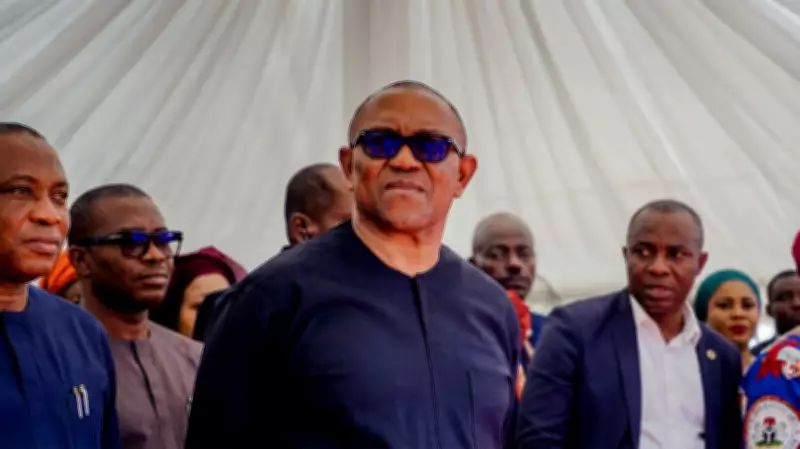
Peter Obi, a prominent political figure, has strongly criticized the federal government's recent approval of 3.3 trillion naira to settle legacy debts in Nigeria's power sector. He described this move as a repetition of previous financial interventions that have failed to yield clear improvements in electricity supply, raising concerns about transparency and fiscal responsibility.
Repeating Past Measures Without Clear Outcomes
Obi pointed out that similar approvals have been made in recent years, including a 3.3 trillion naira package in May 2024 and a 4 trillion naira bond in July 2025, both aimed at addressing debts owed to power generation companies and gas suppliers. He questioned whether these previous commitments were ever fully implemented, asking, "Were the previous approvals mere announcements without execution?" He emphasized that the debts accumulated between 2015 and 2025 under successive administrations, highlighting a pattern of financial commitments without tangible results.
Questioning Debt Structure and Transparency
Obi raised critical questions about the structure and transparency of the debts, including:
- How the debts were accumulated over the years.
- The total amount owed to various stakeholders in the power sector.
- The extent to which inefficiencies by operators contributed to the liabilities.
He specifically asked, "Is the N3.3 trillion approved on April 6, 2026, the same as the N3.3 trillion approved in May 2024, and how does it relate to the N4 trillion bond approved in July?" This underscores his skepticism about the consistency and clarity of the government's financial strategies.
Campaign Promises Versus Current Reality
Obi also referenced campaign statements by President Bola Tinubu on improving electricity supply, noting that current conditions show no significant progress. He warned that further payments could rely on borrowing, deepening fiscal pressures and exacerbating Nigeria's economic challenges. He noted that government institutions contribute to the debt burden despite budgetary provisions, suggesting systemic issues in financial management.
Government Response and Implementation
The comments came after the presidency announced that President Tinubu had approved the 3.3 trillion naira plan as a "full and final settlement" of debts accumulated between February 2015 and March 2025. Officials stated that implementation has begun, with 15 power generation companies signing agreements valued at 2.3 trillion naira and 223 billion naira already disbursed from 501 billion naira raised. However, Obi's criticism highlights ongoing concerns about the effectiveness of such measures.
Persistent Challenges in Nigeria's Power Sector
Nigeria's power sector has faced persistent challenges since its partial privatisation in 2013, including liquidity constraints, infrastructure gaps, and inconsistent electricity supply. These issues have hindered economic growth and development, making debt settlements a critical but contentious topic. Obi's remarks reflect broader public and expert skepticism about whether new financial approvals will lead to sustainable improvements or merely add to the national debt without resolving underlying problems.