
Olaopa Advocates for Overhaul of Political Leadership Recruitment in Nigeria
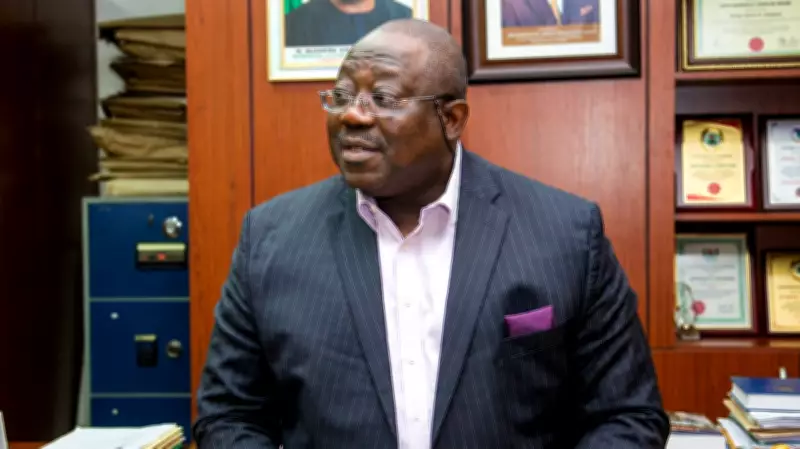
The Chairman of the Federal Civil Service Commission (FCSC), Professor Tunji Olaopa, has issued a compelling call for sweeping reforms in the recruitment process for political leaders across Nigeria. Delivering a lecture to participants of SEC 48 2026 at the National Institute of Policy and Strategic Studies in Kuru, Plateau State, Olaopa highlighted systemic flaws that he argues are crippling national development.
Identifying Core Flaws in the Current System
Professor Olaopa decried what he described as a deeply flawed recruitment system for political leadership, which is plagued by pervasive godfatherism and sit-tighterism. He emphasized that this system often operates devoid of genuine competence and meritocracy, thereby significantly undermining development not only in Nigeria but across many African nations. "Real development in Nigeria and other African countries is unlikely to happen unless the leadership selection, succession and development questions facing them are fully resolved," Olaopa stated unequivocally.
He pointed out a critical missing element in Nigeria's leadership recruitment equation: effective mentoring. "What has been missing, in the Nigerian leadership recruitment equation, among others, is effective mentoring, especially in preparation of people for public service and roles," he explained. Olaopa clarified that mentoring should not be confused with the exploitative nature of godfatherism. Instead, he described mentoring as a power-free relationship founded on mutual respect and value for both the mentor and the mentee, essential for ensuring continuity and maintaining institutional culture and values.
Consequences of Ineffective Leadership Recruitment
The FCSC Chairman warned that leaders emerging from the current flawed system frequently lack the fundamental skills necessary for effective governance. This deficiency results in poor decision-making, an over-reliance on narrow circles of influence, and a profound inability to address pressing national challenges. Olaopa contrasted this situation with advanced political systems, where leadership development and recruitment follow a structured process. These systems typically involve various forms of grooming, shadow cabinet role-plays, mentoring opportunities, and comprehensive training programs designed to cultivate capable leaders.
A Multi-Faceted Framework for Reform
On the path forward, Professor Olaopa stressed the urgent necessity of implementing a multi-faceted solution framework and concrete action plan. His proposed reforms include:
- Strengthening Political Parties' Internal Democracy: Ensuring that party processes are transparent and democratic.
- Enabling Merit-Based Recruitment: Promoting the selection of eligible candidates for elections based on competence and merit rather than connections.
- Strengthening Multi-Level Mentoring: Establishing a more structured process for leadership grooming, training, and development through effective mentoring programs.
- Investing in Voters' Education: Deepening the involvement of citizens and civil society organizations in the political and electoral process through enhanced education initiatives.
Additionally, Olaopa emphasized the need to bolster anti-corruption agencies to investigate and prosecute electoral offences more effectively. He also called for improving the judiciary's capacity to resolve electoral disputes in a more timely and efficient manner. Another critical point he raised was the importance of profiling the cost structure of the electoral process to combat money politics and prevent the structural disenfranchisement of core professions and young people.
Professor Olaopa concluded by advocating for the restructuring of the Nigerian federation to strengthen grassroots and people-centred politicking and governance, ensuring that leadership recruitment truly serves the public interest and fosters sustainable national development.




