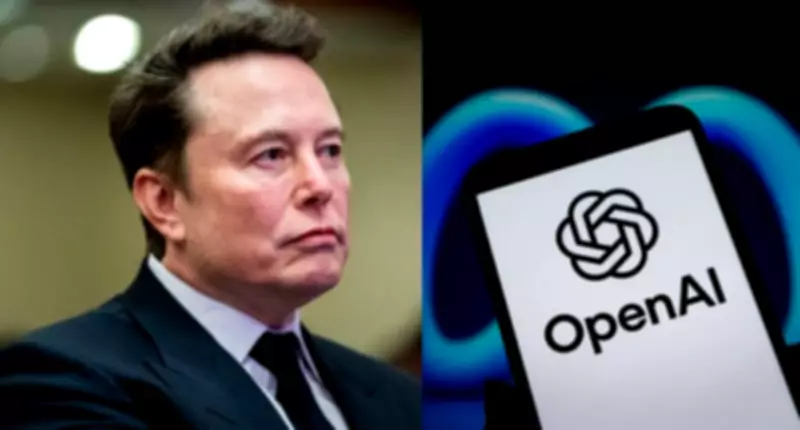
Elon Musk has taken the stand in a high-profile trial concerning the future of OpenAI, accusing its leadership of abandoning the organization's original mission and betraying both him and the public. Musk, the billionaire entrepreneur, told the court that co-founder Sam Altman and president Greg Brockman shifted OpenAI away from its founding purpose as a nonprofit focused on benefiting humanity, transforming it into a profit-driven enterprise.
Musk expressed deep concern over the ethical implications, stating, "If we make it OK to loot a charity, the entire foundation of charitable giving in America will be destroyed." He described OpenAI as his own idea, claiming he played a pivotal role in shaping its early direction, recruiting key personnel, and providing initial funding. "I came up with the idea, the name, recruited the key people, taught them everything I know, provided all of the initial funding," Musk testified. "It was specifically meant to be for a charity that does not benefit any individual person."
However, lawyers for OpenAI strongly pushed back, arguing that Musk himself had advocated for a shift toward a for-profit model and only filed the lawsuit after failing to gain control of the company. "What he cares about is Elon Musk being on top," said OpenAI's lawyer, adding that the dispute stems from Musk not getting his way. Musk's legal team countered that the company's leadership became motivated by financial gain as investment increased, including a major funding injection from Microsoft.
Musk is seeking approximately $150 billion in damages and demands that OpenAI return to its nonprofit structure, with Altman and Brockman removed from leadership roles. Any financial award, he said, would go to OpenAI's charitable arm. The case is being overseen by Yvonne Gonzalez Rogers, who warned Musk during proceedings about his use of social media after he publicly criticized Altman online. Musk agreed to limit such activity, while Altman also made a similar commitment.
The trial highlights the growing tension in the artificial intelligence sector over whether the technology should prioritize public benefit or commercial success. It also comes as OpenAI continues to expand rapidly, with significant investment, rising competition, and discussions around a potential public listing. Musk, who co-founded OpenAI in 2015 before leaving, said his concerns about artificial intelligence safety were a major reason for launching the organization, positioning it as a counterbalance to major tech players like Google. OpenAI's legal team, however, argued that safety was not his primary focus at the time.
The proceedings are expected to continue, with further testimony from key figures including Altman and Microsoft CEO Satya Nadella.