RMAFC Begins Southeast Data Verification as Revenue Sharing Review Misses Timeline
The Revenue Mobilisation Allocation and Fiscal Commission (RMAFC) has launched its nationwide data verification exercise in the Southeast region as part of efforts to update the revenue allocation formula. This initiative aims to revise key indices used for distributing revenue among federal, state, and local governments.
In August 2025, RMAFC announced plans to review the country's revenue sharing formula, a process last undertaken in 1992—34 years ago. The commission initially projected completing the review by the end of 2025, but as of June 2026, it remains in the data verification phase, with no prospect of finishing before President Bola Tinubu's first term ends.
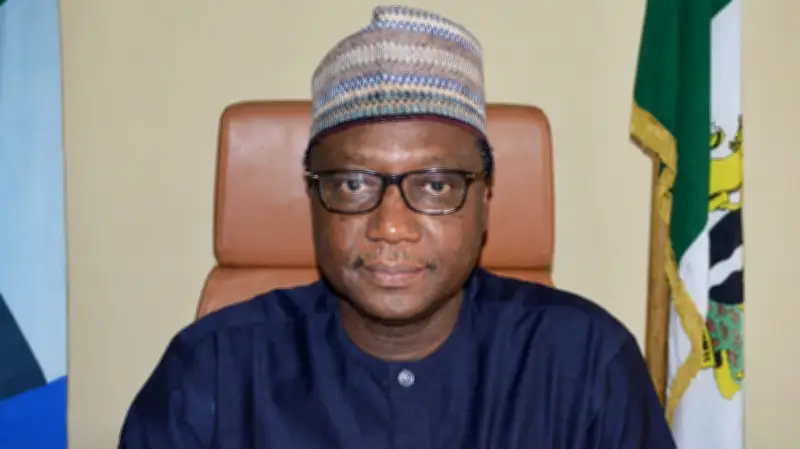
RMAFC has already visited approximately 18 states across three geopolitical zones. The Southeast is the fourth zone to undergo the exercise. Chairman Dr. Muhammad Shehu, represented by Commissioner Omowumi Ogunlola from Ekiti State, stated that the verification aligns with the commission's constitutional mandate to periodically review the revenue allocation formula to reflect current socio-economic realities.
During a visit to Abia State Governor Alex Otti, Shehu emphasized that the allocation system relies on indices promoting fairness, equity, and justice. He noted that socio-economic conditions evolve over time—population dynamics shift, infrastructure expands, and new challenges emerge—making it imperative to verify and update the data periodically.
The chairman revealed that the review process had reached an advanced stage, necessitating verification of existing data integrity and accuracy. He recalled that in 2022, RMAFC trained state and local government officials on data management and later digitized data collection to improve efficiency. The verification team will collaborate with ministries, departments, agencies, and local government authorities to gather credible, up-to-date information.
Shehu urged the Abia State Government to facilitate access to relevant records, appoint liaison officers, and support the team's operations across local government areas.
Governor Otti assured the commission of full cooperation, noting that the Ministry of Finance had already directed officials to work closely with the verification team. However, he stressed that while revenue allocation is important, greater emphasis should be placed on strengthening revenue generation. He warned that reliance on oil revenue may diminish in the future and urged states to develop sustainable internally generated revenue sources.
Otti reiterated his advocacy for economic diversification, citing the global transition away from fossil fuels. He encouraged the RMAFC delegation to visit Aba, describing it as a hub of innovation and entrepreneurship. He praised the industriousness of the people, stating they can replicate and improve upon products made elsewhere.
Finance Commissioner Uwaoma Ukandu highlighted that the exercise offers an opportunity to showcase the state's developmental achievements. He noted that Abia consistently allocates about 35% of its budget to education and healthcare, and internally generated revenue has more than tripled over three years due to fiscal reforms. The verification team reportedly expressed admiration for the state's progress in road infrastructure and urban renewal.