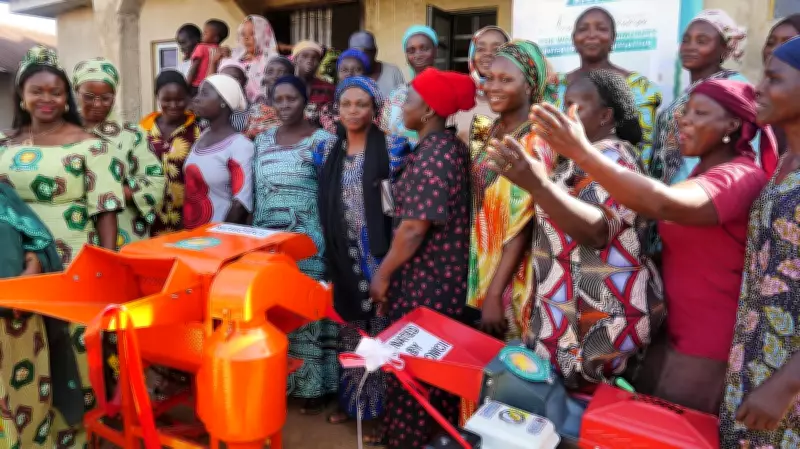
Despite constitutional safeguards and existing laws against discrimination, women in Nigeria continue to face dispossession, eviction, harmful traditional practices, and social stigma after their husbands' deaths, stakeholders have said. These concerns were raised at a Widowhood Rights Stakeholders' Engagement organized by the Rose of Sharon Foundation in the Bariga Local Council Development Area of Lagos. Participants, including lawyers, government representatives, and widows, highlighted the economic, social, and legal challenges confronting widows across the country.
Economic and Housing Challenges
Coordinator of the foundation, Oloruntosin Taiwo, stated that many widows still face housing discrimination and severe economic hardship after losing their spouses. According to her, some landlords refuse to rent apartments to widows, and many women are left uncertain about their future after bereavement. Taiwo noted that the foundation, which has operated for about 18 years, has worked with widows across several communities and local governments, providing educational scholarships for widows and their children, vocational training, and revolving interest-free loans to help them rebuild their lives. She urged widows to take advantage of support initiatives and share information with others facing similar difficulties.
Legal and Social Violations
Country Manager of the foundation, Dr. Ndudi Bowei, said the engagement aimed to expose community leaders and local government officials to the realities widows face in many parts of the country. She noted that many widows continue to suffer violations ranging from eviction from matrimonial homes to denial of access to their husbands' property and separation from their children. “When women lose their husbands and become widows, a lot of challenges and discrimination begin,” she said. Bowei added that the organization had handled several cases involving widows who were unable to return to their homes or reclaim family property after their spouses' deaths. She called on local governments, traditional institutions, and community leaders to play more active roles in protecting widows and orphans from abuse and discrimination.
Harmful Traditional Practices
Also speaking, a member of the International Federation of Women Lawyers (FIDA), Olubola Afolabi, said harmful widowhood practices remain widespread despite constitutional protections and laws prohibiting discrimination. She listed common abuses against widows, including disinheritance, forceful eviction from matrimonial homes, forced remarriage, ritual cleansing, harmful mourning rites, and seizure of children. According to her, some widows are still subjected to degrading practices such as compulsory head shaving and accusations of causing their husbands' deaths. Afolabi said the 1999 Constitution guarantees the rights to dignity, freedom from discrimination, and property ownership, stressing that customs denying widows inheritance rights are unconstitutional. She added that the Violence Against Persons (Prohibition) Act, domesticated in Lagos State, criminalizes harmful traditional practices. Inheritance rights are also protected under the Administration of Estates Law and Wills Law of Lagos State.
Judicial Precedents
Citing judicial authorities, including Ukeje v. Ukeje and Anekwe v. Nweke, Afolabi said Nigerian courts have consistently ruled against customs excluding women from inheritance based on gender. “Culture is not above the Constitution,” she stated, adding that widowhood should never become a basis for humiliation or dispossession. However, she noted that weak enforcement of laws, poor legal awareness, and limited access to justice continue to encourage discriminatory practices in many communities.
Personal Stories of Abuse
Some widows at the event shared personal experiences of abuse and prolonged family disputes after losing their husbands. One of them, Christiana Alagwu, said she was accused of causing her husband's death after he died at age 43, forcing her to leave her matrimonial home with her children. Alagwu said she single-handedly raised her children for over two decades while still battling disputes over family property and inheritance. She blamed many challenges widows face on cultural beliefs that deny women inheritance rights and decision-making roles within their husbands' families. Another widow described the loneliness, insecurity, and social stigma many widows endure, adding that many struggle to secure accommodation, financial stability, and support for their children after losing their spouses.
Call for Awareness and Support
A representative of the Women Affairs and Poverty Alleviation department in Bariga LCDA said the engagement was organized to raise awareness about widows' rights and encourage affected women to seek legal and institutional support against dispossession and abuse.