Tracka Demands Full Disclosure on Lagos-Calabar Coastal Highway Funding and Costs
Civic accountability organization Tracka has intensified its call for transparency regarding the ambitious Lagos-Calabar Coastal Highway project, expressing serious concerns over governance and public disclosure practices. The group, an initiative of the BudgIT Foundation, submitted a comprehensive Freedom of Information request to the Federal Ministry of Works in February 2026 but has received no substantive response more than a month later.
Unanswered Freedom of Information Request
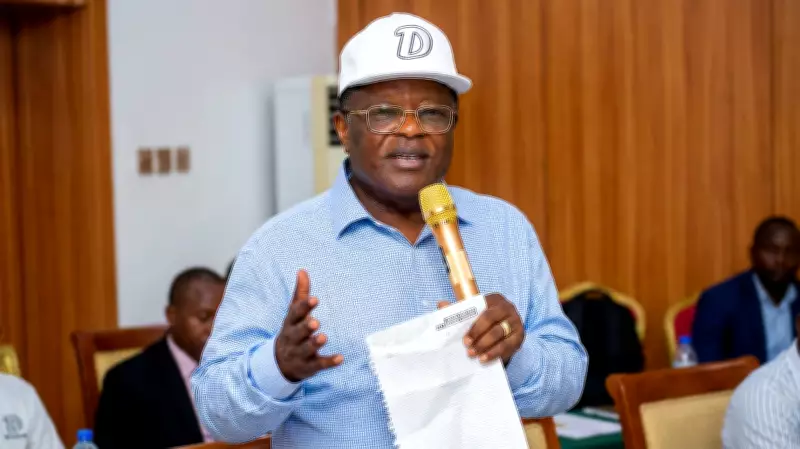
In a detailed letter dated 19 February 2026 and formally addressed to Minister of Works David Umahi, Tracka invoked the provisions of Nigeria's Freedom of Information Act of 2011 to demand comprehensive information about the massive infrastructure undertaking. The Ministry acknowledged receipt of this request on 2 March 2026, yet as of mid-April 2026, Tracka reports that no meaningful response has been provided regarding the project's financial and operational details.
The organization specifically requested complete documentation regarding the project's procurement methodology, including any justification for selective or direct contracting approaches that might have been employed. Tracka further demanded copies of all official approvals, bid documentation, evaluation reports, and comprehensive information about the identities and ownership structures of all contractors and subcontractors involved in the project.
Critical Information Gaps Identified
Tracka's request extends beyond procedural documentation to encompass fundamental questions about the project's financial architecture and social impact. The group has demanded full disclosure of the total project cost with detailed breakdowns, complete information about funding sources and financing arrangements, comprehensive environmental and social impact assessments, and clear compensation frameworks for affected communities and businesses.
"The Lagos-Calabar Coastal Highway is not merely about constructing a roadway; it raises profound accountability and governance concerns that cannot be ignored," Tracka emphasized in its statement. The organization highlighted what it described as significant gaps in public information, particularly regarding the total project cost and the complex financing structure supporting this massive undertaking.
Social and Environmental Concerns
The civic group pointed to ongoing demolitions along sections of the project corridor that have already displaced numerous businesses and disrupted livelihoods, with lingering uncertainty about compensation mechanisms for those affected. Environmental considerations also feature prominently in Tracka's concerns, with specific attention to potential impacts on coastal communities, sensitive wetland ecosystems, and long-term climate resilience in the affected regions.
Tracka additionally raised questions about the phased commissioning approach for different sections of the highway, suggesting that this strategy could be perceived as prioritizing political visibility rather than ensuring complete project delivery. The organization stressed that large-scale public infrastructure initiatives must maintain transparency and remain people-focused, insisting that citizens deserve clear information about costs, execution processes, and long-term implications.
Ministry's Position and Project Status
The Federal Ministry of Works has previously defended the Lagos-Calabar Coastal Highway project, noting that it is being executed under an Engineering, Procurement, Construction plus Finance model due to the significant technical challenges of building across coastal and swampy terrain. The Ministry has also stated that anti-corruption agencies maintain full authority to scrutinize the project's cost structure and financial arrangements.
Construction activities have progressed on the Lagos section of the highway, with partial openings reported and additional financing secured through various mechanisms. However, public debate continues regarding the project's economic value relative to concerns about governance practices, environmental impacts, and funding transparency.
Legal Framework and Accountability
Under Nigeria's Freedom of Information Act, public institutions are legally required to respond to information requests within stipulated timeframes, though compliance has historically been inconsistent across government agencies. Tracka has vowed to sustain its #followtheprojects campaign, reiterating its foundational principle that "public funds must work for the good of the people."
The organization warned that continued silence from authorities weakens public trust and raises additional concerns about how large-scale infrastructure projects are being managed and monitored. The Lagos-Calabar Coastal Highway, expected to stretch approximately 700 kilometers across nine coastal states, represents a flagship infrastructure initiative of President Bola Ahmed Tinubu's administration, aimed at boosting interregional trade, improving transportation connectivity, and addressing shoreline protection challenges.