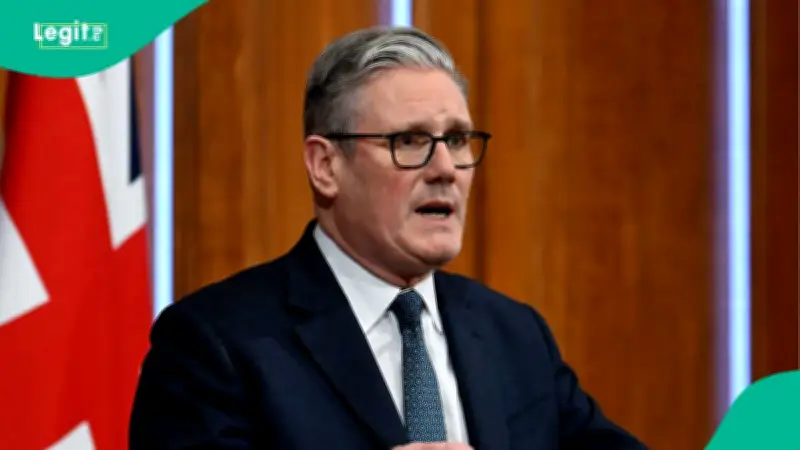
New Immigration Bill Introduces £10,000 Repayment for Asylum Seekers
The UK government has unveiled plans under the Immigration and Asylum Bill that will compel individuals granted asylum to repay approximately £10,000 towards the cost of their accommodation and support once they begin earning. The flat-rate fee must be paid before they can apply for permanent settlement in the UK.
Home Secretary Shabana Mahmood defended the measure, stating: "Asylum support is a right, but it is also a responsibility. Once people can contribute and repay the generosity of the British people, we expect them to do so." The Home Office has not yet specified the income threshold at which repayments will start, but the home secretary will have the authority to adjust the charge and repayment levels to prevent destitution.
Costs of Asylum Support and Repayment Details
According to the Home Office, taxpayers spent around £4 billion on asylum support last year. The average cost of housing an asylum seeker is £23.25 per night in publicly-owned accommodation, rising to £144 per night in hotels. Weekly subsistence payments range from £9.95 to £49.18 per person. Those whose asylum claims are rejected and leave the UK will also be required to repay costs before being allowed to return.
The BBC reported that the Home Office has not confirmed the income threshold, but the repayment scheme is intended to ensure fairness to taxpayers. However, refugee organisations have strongly criticised the plans.
Refugee Council Condemns 'Extra Tax on Refugees'
The Refugee Council has described the repayment scheme as an "extra tax on refugees." Its director of external affairs, Imran Hussain, argued: "The reason why many need asylum support is because the Home Office itself bans asylum seekers from working while their claims are being assessed. Asylum support is only given to people who are at risk of being destitute, so this new financial burden would only harm those who arrive on our shores with nothing."
Experts have also questioned the scheme's effectiveness. The University of Oxford's Migration Observatory highlighted that employment rates among refugees remain low. Dr Madeleine Sumption noted: "In 2023, for example, an estimated 13% of people granted refugee status five years earlier were earning at least £20,000, with the rest either not working or on lower earnings."
Low Employment and Earnings Among Refugees
Home Office data shows that between 2015 and 2023, only a quarter of asylum seekers aged 16 to 64 were in employment within the same year of being granted refugee status. This figure rose to 50% after two years, but median earnings remained at £23,000, with just 40% earning above the minimum wage. These statistics raise doubts about how much money the government will actually recover.
Shadow home secretary Chris Philp accused Labour of adopting Conservative policies, stating: "This precise scheme was proposed by us in an amendment to the Immigration Bill last year, which Labour blocked." The Immigration and Asylum Bill is intended to create what ministers describe as a "firm but fair" asylum system, aimed at reducing illegal migration. However, parts of the bill are expected to face opposition from some Labour MPs.
Additional Measures Under the New Bill
The Home Office recently announced plans to use more former military barracks to house asylum seekers, following the closure of 20 hotels in England. The new immigration law will also introduce "capped safe and legal" routes to the UK, allowing universities, community groups and businesses to sponsor refugees, reducing costs for taxpayers.
In related news, Legit.ng reported that the UK denied at least 1,344,595 visa applications from Nigerians between 2005 and the first quarter of 2026, amid the 'japa' wave of Nigerians relocating abroad for better opportunities.