2023 Presidential Election: Regional Voting Patterns of Top Candidates
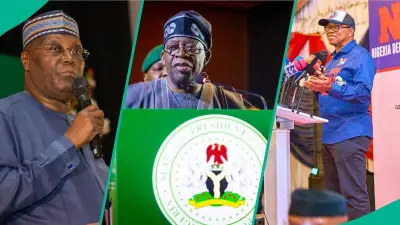
The 2023 presidential election in Nigeria witnessed an intensely competitive race among three prominent candidates, with voting trends highlighting regional allegiances, established political frameworks, and evolving voter preferences nationwide. A detailed examination of the states where each contender achieved their peak vote counts provides valuable insights into their respective strongholds and the comprehensive electoral landscape that influenced the final results.
Bola Tinubu's Dominant States
All Progressives Congress (APC) candidate Bola Ahmed Tinubu demonstrated his most robust electoral performances across a combination of South-West and Northern states during the 2023 presidential contest. His leading states by vote tally were:
- Lagos — 572,606 votes
- Kano — 517,341 votes
- Katsina — 482,283 votes
- Oyo — 449,884 votes
- Jigawa — 421,390 votes
- Kaduna — 399,293 votes
- Niger — 375,183 votes
- Ondo — 369,924 votes
- Osun — 343,945 votes
- Ogun — 341,554 votes
This distribution illustrated Tinubu's command over three distinct geopolitical zones, showcasing both his foundational support in the South-West and substantial backing from Northern regions.
Atiku Abubakar's Strongest Performances
Peoples Democratic Party (PDP) candidate Atiku Abubakar garnered his highest vote counts predominantly from Northern states, supplemented by additional support from select Southern areas. His top-performing states included:
- Kaduna — 554,360 votes
- Katsina — 489,045 votes
- Bauchi — 426,607 votes
- Adamawa — 417,611 votes
- Jigawa — 386,587 votes
- Osun — 354,366 votes
- Gombe — 317,123 votes
- Sokoto — 288,679 votes
- Kebbi — 285,175 votes
- Niger — 284,898 votes
Atiku's electoral achievements spanned four geopolitical zones, indicating a more extensive regional reach compared to his primary opponents.
Peter Obi's Widespread Support Bases
Labour Party candidate Peter Obi recorded his peak vote numbers in the South-East while simultaneously making significant electoral advances in other regions across Nigeria. His leading states were:
- Anambra — 584,621 votes
- Lagos — 582,454 votes
- Plateau — 466,272 votes
- Enugu — 428,640 votes
- Imo — 352,904 votes
- Delta — 341,866 votes
- Edo — 331,163 votes
- Abia — 327,095 votes
- Benue — 308,372 votes
- Kaduna — 294,494 votes
Obi's electoral performance extended across five geopolitical zones, representing the broadest geographical distribution among the three leading presidential candidates.
The analysis underscores how regional dynamics, historical political affiliations, and strategic campaign efforts shaped the 2023 presidential election outcome. Each candidate's vote concentration reveals distinct patterns of support that reflect Nigeria's complex political geography and voter behavior.