ADC Settles for Consensus as PDP Scouts for Presidential Candidate
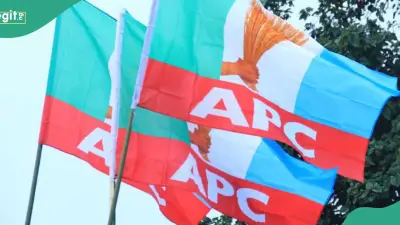
Optimism surged yesterday within opposition ranks as both the African Democratic Congress (ADC) and the Peoples Democratic Party (PDP) pledged to mount a spirited challenge against the ruling All Progressives Congress (APC) in the 2027 general elections, despite the APC's dominance across 31 states. The political landscape witnessed significant shifts with key defections and strategic meetings aimed at reshaping the opposition front.
Kwankwaso Joins ADC, Sparking Realignment
The Kwankwasiyya Movement officially announced that its leader, Rabiu Musa Kwankwaso, will join the ADC today, registering at his residence in Kano. This move, detailed in a press statement by spokesperson Habibu Sale Mohammed, calls on members nationwide to immediately align with the ADC at local, state, and national levels. Kwankwaso's decision follows a recent high-profile meeting during Sallah celebrations, where he hosted former Labour Party presidential candidate Peter Obi, former Bayelsa State Governor Seriake Dickson, and Oyo State Governor Seyi Makinde, fueling speculation of a potent political alliance.
Kwankwaso opted for the ADC over the APC due to demands for tangible political benefits and a clear role, including a vice-presidential slot, which APC stakeholders like former chairman Abdullahi Umar Ganduje deemed outrageous, offering instead a ministerial appointment he rejected. Former presidential aide Bashir Ahmad noted that Kwankwaso's defection could impact APC's fortunes in Kano State, though he believes the party can still secure victory through unity and organization.
ADC's Consensus Approach and Presidential Aspirations
Amid an influx of defectors, the ADC faces the challenge of selecting a presidential candidate. National Publicity Secretary Bolaji Abdullahi explained on Arise TV that the party is prioritizing a consensus approach as the most cost-effective option, in line with the amended Electoral Act, which excludes indirect primaries. Abdullahi criticized the APC as a special purpose vehicle for past presidencies and accused it of panicking despite its stronghold, questioning why it seeks to destabilize opposition parties.
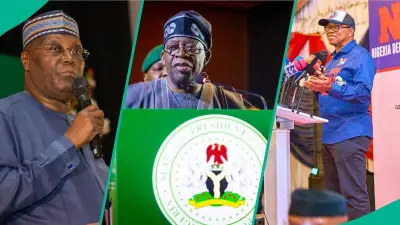
The ADC has been linked to potential aspirants like former Vice President Atiku Abubakar, Peter Obi, and former Minister of Transportation Rotimi Amaechi, though no formal announcements have been made. The Village Boys Movement (VBM) has intensified calls for the party to award its presidential ticket to Obi, staging a 2 Million Man March and ADC Registration Drive across multiple states to demonstrate grassroots support. VBM's Village Headmaster, Tochukwu Ezeoke, emphasized this as part of a broader strategy to build a coordinated political base.
PDP's National Convention and Internal Dynamics
Meanwhile, over 2,000 delegates participated in the PDP National Convention in Abuja, organized by the Abdulrahman Mohammed-led caretaker committee. FCT Minister Nyesom Wike, describing it as the real convention observed by INEC, assured delegates of the party's presence on the 2027 ballot despite crises and defections. He thanked members for their resilience and criticized defectors, including Peter Obi, for lacking leadership during crises.
Former Senate President Bukola Saraki highlighted that the convention's success reaffirms the PDP's eligibility for the 2027 elections, with INEC's presence validating internal procedures. Founding father Sule Lamido urged aggrieved members to return to foster inclusivity and unity. However, former Deputy National Chairman Olabode George accused the APC, through Wike, of attempting to weaken the opposition, alleging political interference to undermine democratic competition. George claimed Wike was expelled from the PDP and called on President Bola Tinubu to rein him in to prevent heightened tensions.
Cross-Party Consultations and Electoral Concerns
Presidential aspirant Gbenga Hashim has intensified cross-party consultations, hosting leaders of the Accord Party to forge a coalition against what he describes as a drift toward a one-party state under the APC. He criticized INEC for imposing an unconstitutional electoral timetable, arguing that it shortens primaries deadlines and pressures opposition parties. Hashim's efforts follow earlier talks with African Action Congress leader Omoyele Sowore, reflecting a sustained push for opposition alignment.
Former Ekiti State governor Ayodele Fayose, speaking at the PDP convention, warned that the ADC will lose the 2027 elections if Obi is not on its ticket, suggesting Atiku might secure it instead. He doubted Obi's presidential prospects, noting that while the Obi factor was crucial in 2023, it may not repeat in 2027. These developments underscore the intense preparations and realignments shaping Nigeria's political landscape ahead of the pivotal 2027 elections.