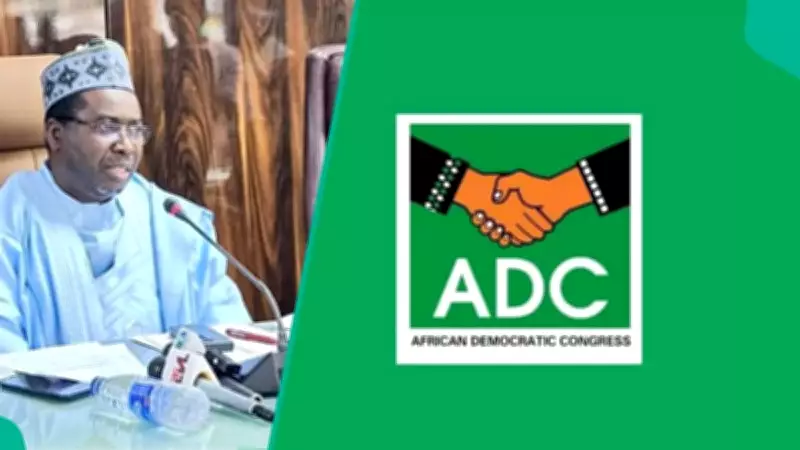
ADC Condemns INEC's Withdrawal of Party Leadership Recognition
The African Democratic Congress (ADC) has strongly condemned the Independent National Electoral Commission (INEC) for its recent decision to withdraw recognition of the party's leadership. In a statement issued late on Wednesday, April 1, 2026, the party accused INEC of yielding to government pressure and acting against the interests of Nigerians.
Allegations of Government Interference and Contradictory Actions
Mallam Bolaji Abdullahi, the National Publicity Secretary of ADC, criticized INEC's interpretation of a Court of Appeal ruling as contradictory and questioned the commission's impartiality. He stated that the development reflects growing unease within the government over ADC's rising influence, even in the face of what he described as relentless assaults on opposition parties.
Abdullahi emphasized, We reject INEC's interpretation of the Court of Appeal ruling. We knew that INEC was being pressured by a government that has become jittery from the ADC's rising momentum. The party's statement highlighted that INEC's press release is full of contradictions that fly in the face of both facts and reason, and ADC vowed to clarify these issues for public scrutiny.
Reviewing Legal and Political Options
While the ADC did not outline immediate actions, it reassured members and the public that it is actively considering legal and political options to challenge INEC's decision. The party is focused on protecting its leadership structure and maintaining its commitment to supporters. Abdullahi called on ADC members and Nigerians to remain patient and steadfast as they await further directives, adding, Nigeria is rising. ADC is rising.
Political Context and Broader Implications
This controversy arises amid a tense political atmosphere as the 2027 general elections approach, with opposition parties facing increased scrutiny. The ADC's allegations of government pressure underscore ongoing tensions in Nigeria's electoral landscape, where impartiality and transparency are critical concerns for democratic processes.
The party's response highlights a broader struggle for political space and recognition, as it seeks to navigate legal challenges while mobilizing support. As the situation develops, ADC's next steps will be closely watched by political analysts and citizens alike, shaping the dynamics of Nigeria's upcoming electoral cycle.