ADC's 2027 Election Prospects: Three Scenarios if Peter Obi Loses Presidential Ticket
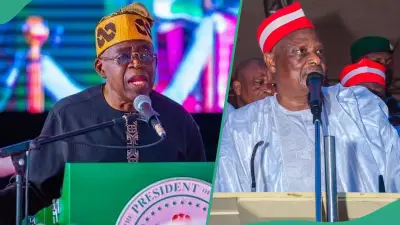
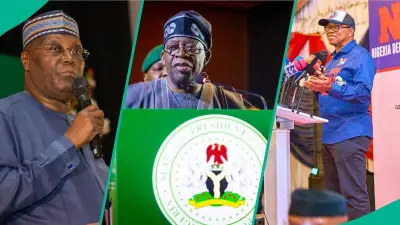
Published on March 31, 2026, at 9:08 PM by Adekunle Dada, a journalist with over eight years of experience covering metro, government policy, and international issues in Abuja, FCT. The African Democratic Congress (ADC) has emerged as a focal point for the 2027 presidential elections, attracting high-profile aspirants ready to challenge President Bola Ahmed Tinubu. Notable figures include former Vice President Atiku Abubakar, 2023 Labour Party candidate Peter Obi, former Transportation Minister Rotimi Amaechi, and Senator Rabiu Musa Kwankwaso, all of whom have declared their intentions to run.
Securing the ADC presidential ticket is expected to be fiercely contested, with significant implications for the party's unity and electoral success. This article explores three critical scenarios that could unfold if Peter Obi fails to clinch the ADC nomination, based on political dynamics and voter trends.
1. Fragmentation of the Coalition
If Peter Obi does not secure the ADC presidential ticket, his loyal base, particularly the Obidient movement, may feel marginalized. This could lead to internal cracks or even defections within the party, mirroring past patterns where Obi's supporters left the Labour Party to follow him to the ADC. The Obidients have been vocal in demanding that Obi be given the ticket, and any deviation from this outcome might result in serious fragmentation of the coalition, undermining ADC's cohesion ahead of the 2027 elections.
2. Loss of Youth and Urban Voter Momentum
Peter Obi's appeal among young, urban, and first-time voters is a major asset for any political party. As former governor of Anambra State, he boasts a substantial following among young Nigerians, especially from the southern and middle belt regions. Without him as the flagbearer, the ADC risks losing this energized demographic, which could weaken its national competitiveness. The youth are a key strength of the new opposition wave, and their potential non-participation might give the ruling All Progressives Congress (APC) a significant advantage in the polls.
3. Possible Realignments or Third-Force Collapse
Failure to award Obi the ADC presidential ticket could trigger new political alliances or defections. He might return to major parties or join another coalition, such as Senator Dickson's NDC. This could undermine the ADC's ambition to serve as a credible third force in Nigerian politics, weakening its popularity and strategic position ahead of the 2027 elections. Recent meetings, like Obi's visit with NNPP leader Rabiu Kwankwaso in Kano, highlight ongoing discussions about potential alliances, raising public hopes for a united front against poor governance.
Meanwhile, Senator Ali Ndume has commented on the 2027 election dynamics, arguing that the ADC lacks fresh ideas to challenge the APC and noting internal disunity among opposition figures like Atiku Abubakar, Peter Obi, and Rotimi Amaechi. These factors underscore the high stakes involved in the ADC's ticket decision and its broader impact on Nigeria's political landscape.