Amaechi's Symbolic Protest: Former Minister Brings Doctor Son to National Assembly Demonstration
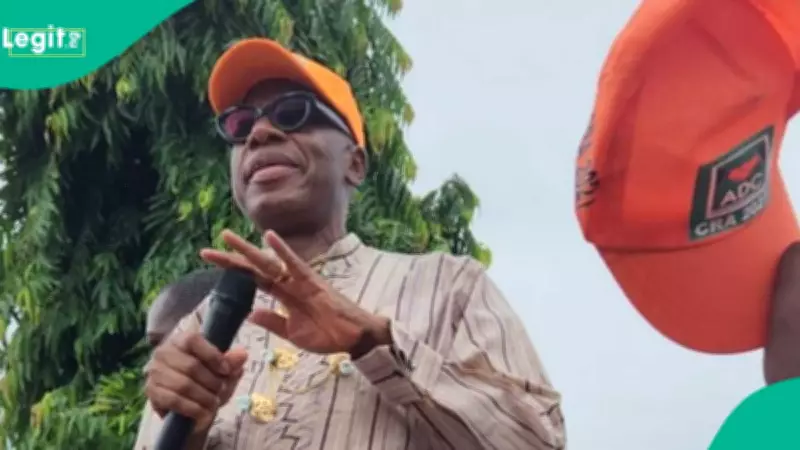
Former Rivers State governor and ex-Minister of Transportation, Rotimi Amaechi, made a significant appearance at the National Assembly complex in Abuja on Tuesday, February 10, joining protesters who oppose the Senate's controversial decision to reject mandatory electronic transmission of election results. This demonstration represents a crucial moment in the ongoing public opposition to the exclusion of this vital provision from the Electoral Act amendment, with critics warning that its absence could seriously undermine electoral credibility and transparency in Nigeria's democratic process.
Personal Commitment Through Family Presence
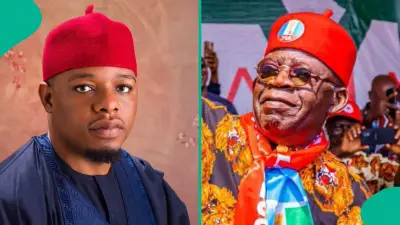
Amaechi's participation quickly captured national attention, not merely due to his prominent political stature but because he arrived accompanied by his first son, a qualified medical doctor. In an exclusive report by Daily Trust, the former minister explained that this deliberate decision aimed to directly address widespread criticism that political leaders often encourage mass action while simultaneously shielding their own families from potential risks and consequences associated with such civic engagements.
Speaking passionately to both protesters and journalists gathered within the National Assembly premises, Amaechi emphasized that bringing his son served multiple purposes: demonstrating his personal conviction in the electoral reform cause and countering allegations that Nigerian leaders typically distance themselves and their families from the practical realities of civic action they advocate for others.
Practical and Symbolic Dimensions of Protest Participation
The former minister elaborated on the practical considerations behind his decision, noting that having a medical professional present provided essential safety measures should any incidents occur during the demonstration. "There are those who say politicians call for protests while their children are abroad. Here is my first son. I brought him to join this protest. He is a medical doctor and his responsibility is to attend to anyone who may be injured", Amaechi declared, highlighting both the symbolic and functional aspects of his family's involvement.
Amaechi further characterized peaceful protest as a fundamental democratic right protected by law, urging Nigerian citizens to increase their active participation in advocating for comprehensive electoral reforms. He argued that stronger public mobilization would inevitably pressure lawmakers to reconsider their controversial position on electronic transmission, stating "We need to mobilise more than this. If we mobilise 100,000 people, the police here cannot stop us. They are not up to 1,000".
Broader Context of Electoral Reform Controversy
The National Assembly protest emerged following weeks of sustained criticism after the Senate removed the crucial clause mandating real-time electronic transmission of results directly from polling units. This legislative action created significant tension between parliamentary chambers, as the House of Representatives had previously passed a version of the bill retaining this essential requirement.
Civil society organizations, opposition political parties, and independent election observers have consistently argued that electronic transmission represents a critical safeguard against result manipulation at collation centers while substantially improving electoral transparency. As the harmonization process between legislative houses continues, pressure has intensified on the National Assembly to restore this provision before forwarding the final bill to the president for official assent.
Amaechi's Warning on Electoral Integrity
The former minister issued a stern warning that ignoring legitimate public concerns regarding electronic transmission could further erode confidence in Nigeria's electoral system. "This is about protecting the votes of Nigerians and ensuring that their choices are respected", Amaechi emphasized, connecting the protest to broader democratic principles of representation and accountability.
This demonstration occurs against the backdrop of Amaechi's recent declaration regarding his political ambitions, where he firmly stated he would not withdraw from contesting the 2027 presidential election under the African Democratic Congress banner. The convergence of personal political aspirations with public advocacy for electoral reform underscores the complex interplay between individual leadership and systemic democratic improvement in Nigeria's evolving political landscape.