
US Congressman's Fact-Finding Visit to Nigeria Sparks Debate on National Unity
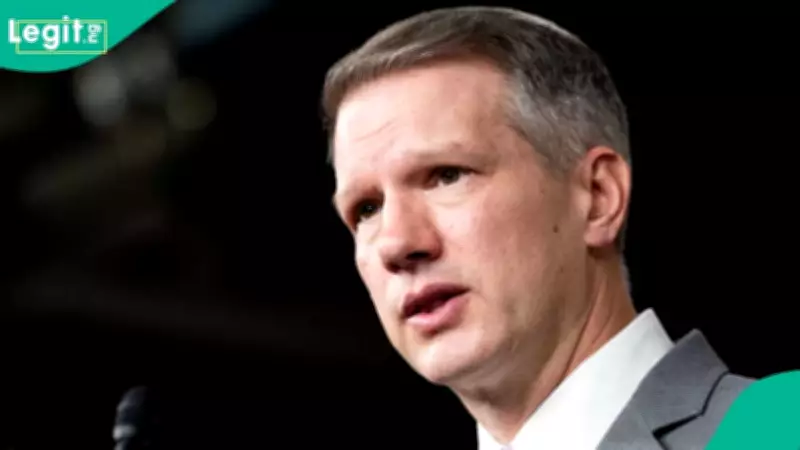
Riley Moore, a prominent United States lawmaker known for his commentary on alleged Christian persecution in Nigeria, has conducted a significant fact-finding visit to the West African nation. The congressman, who arrived in Nigeria to better understand the circumstances surrounding claims of Christian genocide, has issued a stark warning about the dangers of supporting separatist agendas within the country.
Moore's Assessment of Nigeria's Security Landscape
During his visit, which took place in early February, Moore engaged extensively with various stakeholders across Nigeria. His meetings included church leaders, Nigerian government officials, internally displaced persons, and humanitarian aid organizations. The primary focus of these discussions was to comprehend the challenges facing Christian communities, particularly in Nigeria's northern regions and the Middle Belt area.
In a social media statement following his visit, Moore emphasized that the concept of dividing Nigeria had not emerged as a serious proposal during his consultations. He expressed concern that efforts to embolden separatist movements could actually exacerbate insecurity for Christians, especially those residing in vulnerable northern areas. The lawmaker's observations suggest that fragmentation could potentially create more dangerous conditions for religious minorities rather than providing solutions to existing security challenges.
Nigerian Reactions to Moore's Comments
The congressman's statements have generated diverse reactions from Nigerians across social media platforms and public discourse. Many citizens have engaged with his perspective, offering nuanced views on national unity, security cooperation, and governmental accountability.
Some Nigerian commentators have highlighted the inclusive nature of insecurity: Several responses noted that banditry and terrorism affect Nigerians of all faiths in the northern regions, suggesting that exclusive focus on Christian persecution might inadvertently reinforce divisive narratives. These commentators emphasized that comprehensive security approaches should protect all citizens regardless of religious affiliation.
Other reactions commended Moore's principled stance: Some Nigerians expressed appreciation for the congressman's clear position against dividing the country, arguing that a united Nigeria remains essential for regional stability and the protection of vulnerable communities. These responses welcomed potential security cooperation between the United States and Nigeria as a positive step toward restoring safety and order.
Critical perspectives focused on governmental failures: Several comments directed attention toward what they perceive as the Nigerian government's inadequate response to security challenges. These viewpoints suggested that addressing the root causes of insecurity through effective governance represents a more urgent priority than debating separatist rhetoric on social media platforms.
Context of US-Nigeria Security Relations
Moore's visit occurs within a broader context of evolving security relations between the United States and Nigeria. The congressman had previously commended President Bola Tinubu and National Security Adviser Nuhu Ribadu for their efforts in combating insecurity. This positive assessment contrasts with earlier allegations from former US President Donald Trump, who had claimed Christian genocide was occurring in Nigeria and suggested potential military intervention.
The fact-finding mission by Moore and other US congressional members represents a diplomatic approach to understanding Nigeria's complex security situation. Rather than relying solely on external allegations, the visit allowed for direct engagement with affected communities and Nigerian authorities. This method reflects a more nuanced understanding of the multifaceted challenges facing Africa's most populous nation.
As Nigeria continues to grapple with various security threats including banditry, terrorism, and communal conflicts, international perspectives like Moore's contribute to ongoing discussions about national unity, religious coexistence, and effective governance. The diverse Nigerian reactions to his comments demonstrate the complexity of these issues and the importance of inclusive dialogue in addressing the country's security challenges.




