
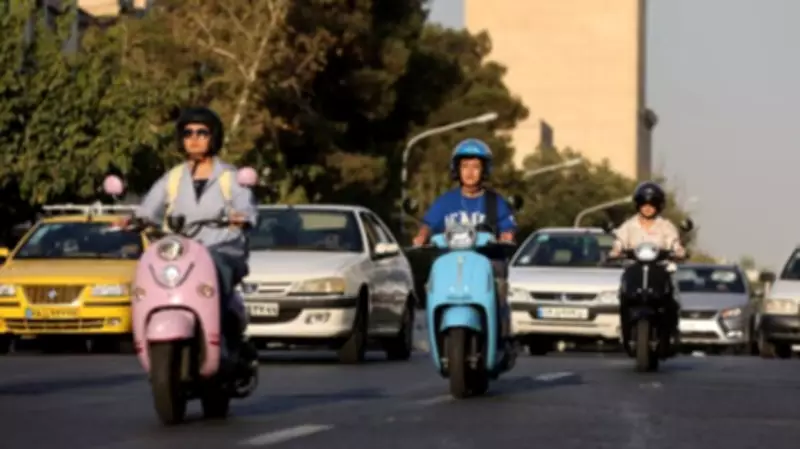
Iran Officially Permits Women to Ride Motorcycles, Clarifying Traffic Laws
In a significant policy shift, Iran has officially allowed women to ride motorcycles, ending years of legal ambiguity surrounding two-wheelers in the country. Local media disclosed this development on Wednesday, February 4, marking a notable change in transportation regulations.
Ending Legal Grey Areas and Licensing Barriers
Previously, Iranian law did not explicitly prohibit women from operating motorbikes and scooters. However, in practice, authorities consistently refused to issue driver's licences to female applicants, creating a confusing legal environment. This grey area had serious consequences, as women were often held legally responsible for accidents, even when they were victims.
Due to this lack of clear regulations, female riders faced significant obstacles and risks on the roads. The absence of proper licensing procedures meant that women could not access formal training or legal recognition for their riding activities.
Government Resolution and Implementation Details
Iran's First Vice President, Mohammad Reza Aref, signed a resolution on Tuesday, February 3, aimed at clarifying the traffic code. This resolution was approved by Iran's cabinet in late January, as reported by the country's Ilna news agency.
The new directive obliges traffic police to implement specific measures for female motorcycle riders. According to Ilna, these measures include:
- Providing practical training to female applicants
- Organising examinations under the direct supervision of police authorities
- Issuing motorcycle driver's licences to women who successfully complete the requirements
This structured approach ensures that women can now obtain proper documentation and training, bringing their riding activities into full legal compliance.
Context and Broader Implications
The policy change follows a wave of protests across Iran that initially focused on economic grievances. Last month, these demonstrations grew into nationwide anti-government movements, highlighting various social and legal issues.
While the resolution directly addresses transportation regulations, it also reflects broader discussions about women's rights and legal clarity in Iranian society. By formalising licensing procedures, the government aims to reduce legal uncertainties and improve road safety for all citizens.
This development represents a step toward greater gender equality in transportation access, though it remains to be seen how effectively the new measures will be implemented across different regions of Iran.




