The political landscape in Nigeria is heating up as the All Progressives Congress (APC) faces internal divisions over the future of Vice President Kashim Shettima ahead of the crucial 2027 general elections. A seemingly minor incident involving a party banner has sparked widespread speculation and debate within the ruling party, revealing deep-seated tensions and strategic concerns.
Banner Omission Ignites Political Firestorm
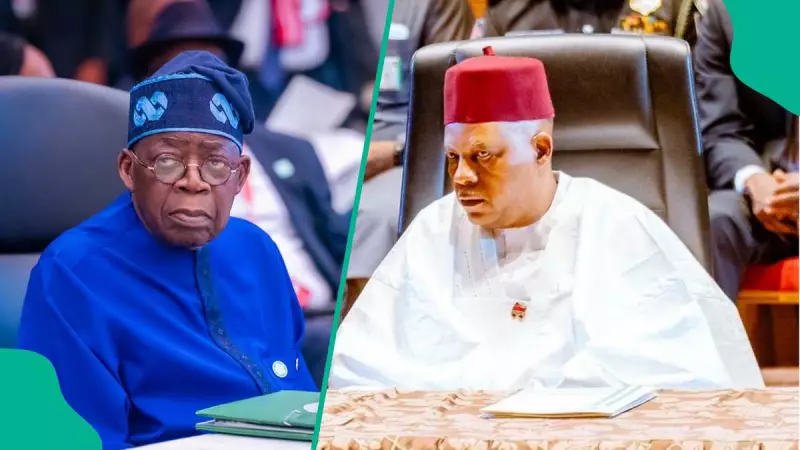
During a recent North East Zonal Public Hearing on amendments to the APC constitution held in Maiduguri, Borno State, observers noted a significant omission from the event's banner. The display featured President Bola Tinubu, five APC governors from the Northeast geopolitical zone, and the national legal adviser, Murtala Aliyu Kankiya, but conspicuously excluded Vice President Kashim Shettima's image. This absence has reignited speculation that the ruling party may be considering replacing Shettima as Tinubu's running mate for the 2027 presidential election.
Religious Balance Concerns Fuel Replacement Talks
Behind the scenes, sources indicate growing concern within Aso Villa about foreign scrutiny, particularly from the United States, regarding Nigeria's religious balance. The Muslim-Muslim ticket that brought Tinubu and Shettima to power in 2023 has faced ongoing criticism, and some national dailies have suggested that President Tinubu might opt for a Christian running mate in 2027 to address these concerns. This potential shift has created a political storm within the APC, with various factions taking strong positions on Shettima's future role.
North-Central APC Forum Issues Stern Warning
The North-Central APC Forum has emerged as a vocal opponent of any move to replace Vice President Shettima. In a statement issued in Abuja by its Chairman, Saleh Zazzaga, the forum strongly rejected calls for Shettima's removal, describing such a decision as a grave political miscalculation that could have disastrous consequences for the party.
The forum emphasized: "There is serious danger in changing a winning ticket. We totally and unequivocally reject calls and plans to drop Vice President Kashim Shettima." They warned that removing Shettima could potentially undermine President Tinubu's re-election bid and create significant instability within the party structure.
Youth Wing Adds Support for Shettima
Adding to the chorus of support for the vice president, Kabiru Garba Kobi, chairman of the APC Youth Parliament, dismissed rumors of Shettima's replacement as both divisive and dangerous. Speaking to journalists in Bauchi, Kobi warned that such a move could cost President Tinubu significant support in the Northeast region, where Shettima maintains strong political influence.
Kobi urged party members to ignore what he described as political opportunists who neither contributed to the APC's 2023 election victory nor demonstrated genuine loyalty to the party. This youth support highlights the generational dimensions of the debate and suggests that Shettima maintains significant backing among younger party members.
Background and Political Implications
Kashim Shettima, 59, brings substantial political experience to his role as vice president. He previously served as senator for Borno Central from 2019 to 2023 and as governor of Borno State from 2011 to 2019. After winning the APC primary for the 2022 Senate election, he withdrew from the nomination to become Tinubu's running mate in the 2023 election, demonstrating his commitment to the party's presidential ambitions.
The current debate over Shettima's future reflects broader tensions within the APC as it prepares for the 2027 elections. The party must balance various regional, religious, and political considerations while maintaining unity and electoral viability. The banner omission incident, while seemingly minor, has become a focal point for these larger strategic discussions and power dynamics within Nigeria's ruling political organization.
As the 2027 elections approach, the APC faces the challenge of navigating these internal divisions while presenting a united front to the Nigerian electorate. The outcome of this debate over Shettima's role will likely have significant implications for the party's electoral strategy and its ability to maintain power in the coming political cycle.