Nigerians Express Anger Over Political Support Group Use of Voters Card to Distribute Rice and Garri
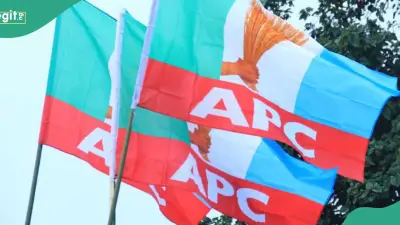
Nigerians have erupted in outrage following a viral video showing members of the All Progressives Congress (APC) distributing bags of rice and garri to citizens, with reports indicating voters' cards were used in the process. The incident, which spread rapidly across social media platform X, has ignited a fierce debate about the exploitation of poverty for political gain and the urgent need for structural economic reforms.
Social Media Backlash Against Poverty Politics
The circulating video footage depicts APC members openly handing out food items to Nigerians, prompting widespread condemnation from social media users who characterized the move as a cynical attempt to leverage economic hardship for political advantage. Many commentators expressed deep frustration with what they perceive as a recurring pattern of survival politics that fails to address root causes of poverty.
"This is all they know how to do—borrow money every month to buy rice and call it generosity," wrote one particularly vocal X user, capturing the sentiment of many Nigerians who view such handouts as temporary gestures rather than sustainable solutions.
Another user posted: "The APC is openly and publicly reducing the lives of people to bags of rice in exchange for their future. This is really sad and painful to watch. No jobs, just rice. No power, just rice. No healthcare, just rice. No development, just rice. MADNESS!!!"
Systemic Issues and Weaponized Poverty
Commenters highlighted the deeper systemic problems underlying such distribution practices, pointing to what they describe as a deliberate weaponization of poverty in Nigerian politics. "In a country where poverty has been weaponized, a bag of rice becomes a supposed act of salvation," noted one observer, emphasizing how basic necessities have become political tools.
The backlash underscores growing frustration with what many Nigerians characterize as episodic gestures that fail to substitute for comprehensive policies addressing unemployment, inflation, and economic insecurity. Social media users consistently called for a renewed focus on structural change rather than temporary relief measures, arguing that citizens require both mental and material support to overcome challenges resulting from decades of economic mismanagement.
Oil Revenue Context and Spending Debates
The controversy over rice distribution occurs against a backdrop of significant oil revenue increases for Nigeria. The oil price benchmark for the 2026 budget was established at $64.85 per barrel, with assumed daily production of 1.84 million barrels. However, since the commencement of conflict in the Middle East on February 28, Brent crude prices have surged dramatically to $115 per barrel, with projections indicating sustained upward trends as both sides continue targeting each other's oil facilities.
Nigeria is currently generating approximately twice the budgeted revenue from this price spike, yet instead of saving these windfall gains, lawmakers have embarked on what critics describe as a spending binge. The National Assembly recently approved a revised budget representing an increase of over N9 trillion from the N58.18 trillion initially proposed by President Bola Tinubu in December 2025.
These sweeping decisions, taken during plenary sessions of both legislative chambers following consideration of appropriation committee reports and fresh presidential correspondence, underscore what officials characterize as an aggressive fiscal expansion strategy aimed at stabilizing the economy, addressing legacy obligations, and unlocking infrastructure development. However, concerns persist regarding rising public debt levels and implementation efficiency.
Loan Requests and Political Reactions
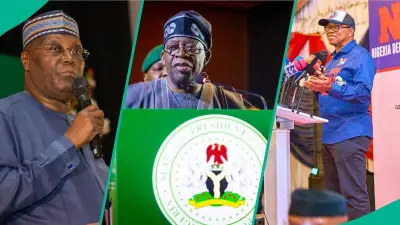
Simultaneously, President Tinubu sought approval from the House of Representatives to obtain a $5 billion external loan from First Abu Dhabi Bank of the United Arab Emirates. This request drew sharp criticism from political opponents, including former Vice President and African Democratic Congress chieftain Atiku Abubakar, who expressed concern over the Senate's approval of the loan request less than four hours after its presentation.
The incident has reignited broader debates about the intersection of politics and poverty in Nigeria, illustrating how public discontent is increasingly channeled through social media platforms. Many Nigerians argue that temporary handouts cannot substitute for sustainable policies that genuinely address unemployment, inflation, and economic insecurity, calling instead for structural reforms that would reduce dependence on such politically-motivated distributions.