Atiku Abubakar Calls for Urgent Electoral Act Amendment Ahead of 2027 Polls
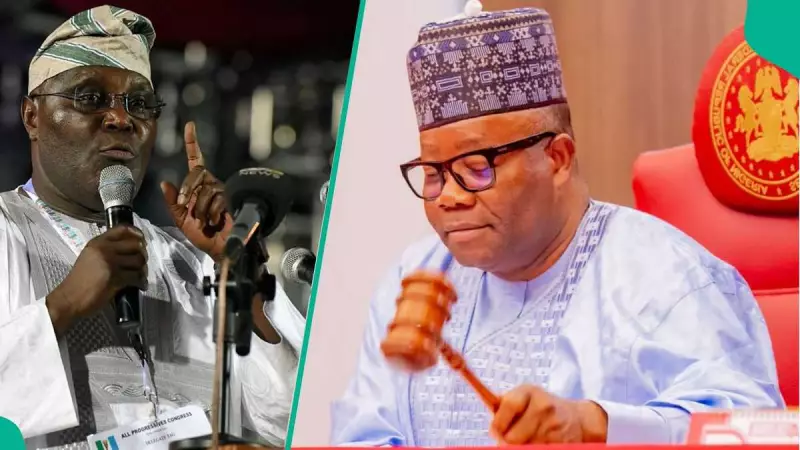
Former Vice-President and Peoples Democratic Party (PDP) presidential candidate in the 2023 election, Atiku Abubakar, has issued a strong warning about the integrity of Nigeria's upcoming 2027 general election. In a significant statement, he has called upon the Senate to take immediate action to amend the Electoral Act, emphasizing that unresolved legal loopholes could severely compromise the credibility of the democratic process.
Warning About Electoral Act Loopholes
Atiku Abubakar expressed deep concern that the current Electoral Act of 2022 contains significant flaws that undermine the fairness of elections. He specifically pointed out that these legal gaps created opportunities for what he described as widespread rigging during the 2023 polls. Furthermore, he highlighted how these deficiencies made it extremely difficult for election petitioners to seek justice through the judicial system, thereby weakening public trust in electoral outcomes.
In a detailed post on the social media platform X, formerly known as Twitter, Atiku elaborated on his concerns. He stated clearly that "a major setback to the 2023 elections is the loopholes in the Electoral Act 2022 that paved the way for the brazen rigging of that election, and the near-impossibility of petitioners to advance their cases in the courts." This statement underscores his belief that without proper legal reforms, future elections remain vulnerable to manipulation.
Call for Comprehensive Legal Review
The former vice-president emphasized that meaningful electoral reform must begin with a thorough and comprehensive review of the legislation governing elections. He insisted that correcting the mistakes observed in the 2023 election requires updating the legal framework before the 2027 polls. Atiku stressed that failure to address these identified shortcomings would leave Nigeria's democratic process exposed to continued interference and potential abuse.
He articulated this position by stating, "It is imperative that if the mistakes of the 2023 election are to be corrected, the legal instrument for the conduct of the 2027 and subsequent future elections needs to be reviewed." This call to action reflects his view that timely legislative intervention is crucial for preserving electoral integrity.
Accusations Against the Senate
Atiku Abubakar did not mince words when addressing the Senate's role in this matter. He accused the upper legislative chamber of deliberately frustrating efforts to amend the Electoral Act, suggesting a lack of political will to strengthen Nigeria's democratic institutions. According to him, "as things stand, it has become obvious that the Senate is determined to frustrate the passage of amendments to the 2022 Electoral Act."
To support his claims, he referenced a recent investigative report by the Foundation for Investigative Journalism (FIJ), which he said serves as both an indictment of the Senate and a timely reminder of the need for legislative accountability. This reference adds weight to his argument that the Senate must act with greater urgency and transparency.
Credibility of 2027 Election at Stake
The former presidential candidate issued a stark warning about the potential consequences of inaction. He asserted that the credibility of the 2027 general election depends heavily on how quickly the Senate addresses the proposed amendments to the Electoral Act. Atiku warned that any delay or reluctance could be interpreted as a deliberate attempt to influence the election outcome even before voting begins.
He elaborated by saying, "The credibility of the 2027 general elections hinges on the urgency with which the Senate treats this crucial bill. Anything short of this is a deliberate attempt to rig the election long before the ballots are cast." This statement highlights his belief that electoral integrity must be safeguarded through proactive legislative measures.
Senate's Response and Broader Context
In response to these concerns, Senate Leader Opeyemi Bamidele has previously indicated that the upper chamber plans to fast-track the Electoral Act (Amendment) Bill in 2026. The proposed amendments are expected to address key issues identified from the 2023 elections, including:
- Improvements in the electronic transmission of election results
- Enhanced mechanisms for adjudicating electoral disputes
- Strengthened safeguards against electoral malpractice
This development suggests that legislative action may be forthcoming, though Atiku's statements reflect ongoing anxiety about the pace and effectiveness of such reforms. Meanwhile, political analysts continue to debate the broader implications for Nigeria's democratic trajectory, with some voices even suggesting that Atiku should consider stepping aside from future presidential contests to focus on advocacy for systemic improvements.
As the 2027 election approaches, the call for electoral law reform remains a critical issue in Nigerian politics. The outcome of this legislative process will likely have far-reaching consequences for the transparency and fairness of future elections, shaping public confidence in the country's democratic institutions for years to come.