Major Political Figures Stage 'Save Democracy' Demonstration at INEC Headquarters
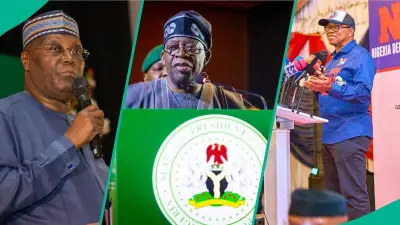
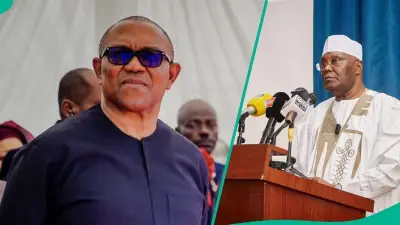
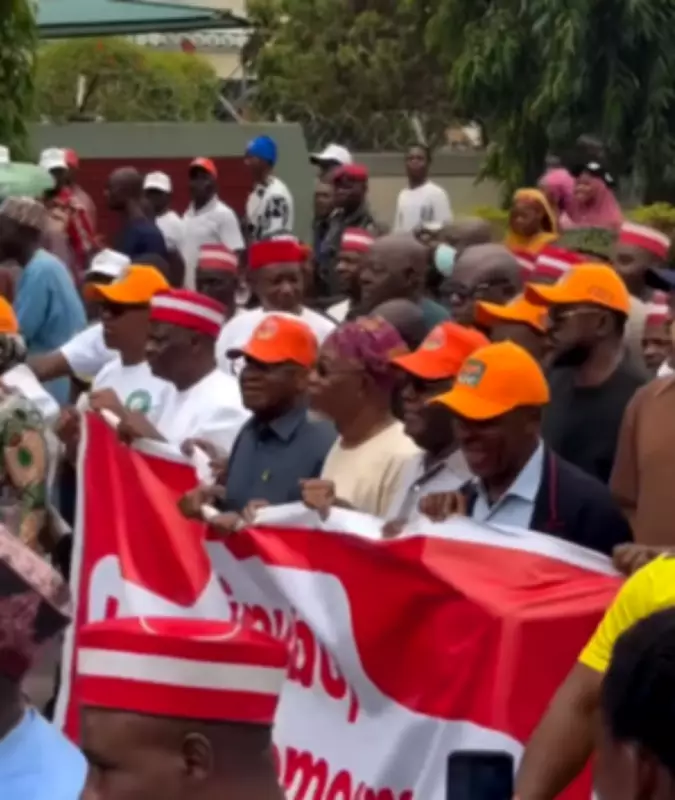
In a significant display of political activism, numerous high-profile Nigerians including former presidential candidates Atiku Abubakar and Peter Obi, alongside former senator Dino Melaye, activist Aisha Yesufu, and other notable figures, organized and participated in a substantial protest directly in front of the Independent National Electoral Commission (INEC) headquarters in Abuja. The demonstration, officially labeled the 'Save Democracy' protest, drew considerable attention as participants voiced their demands for substantial electoral reforms and increased accountability within Nigeria's electoral body.
Visual Symbols and Slogans Dominate the Protest Scene
The protest area was visibly marked by participants wearing distinctive "Operation Save Our Democracy" T-shirts, creating a unified visual identity for the gathering. Furthermore, many protesters carried prominently displayed red and white placards bearing various critical messages. Among the most repeated slogans was a direct call for leadership change: "INEC Chairman Amupitan must go," indicating deep-seated frustrations with the current electoral commission leadership. The choice of colors and coordinated messaging suggested a well-organized effort to communicate specific grievances to both the public and INEC officials.
Political Context and Timing of the Demonstration
This organized public demonstration occurs within a particularly tense political context, following closely on the heels of INEC's recent controversial decision to discontinue its recognition of the David Mark-led faction of the African Democratic Congress (ADC). This administrative move by the electoral commission has sparked considerable debate and appears to have served as a catalyst, galvanizing opposition figures and civil society activists to take their concerns to the streets. The protest underscores ongoing tensions between political stakeholders and INEC regarding the management and oversight of political parties and the broader electoral process.
Broader Implications for Nigerian Democracy
The convergence of such a diverse group of political heavyweights and activists at the INEC office signals a potentially escalating confrontation over the direction and integrity of Nigeria's democratic institutions. The involvement of figures like Rabiu Kwankwaso and Rauf Aregbesola, alongside the others, points to a coalition that crosses traditional political lines, united by shared concerns about electoral governance. This event highlights the persistent challenges facing Nigeria's electoral system and raises important questions about public trust in the institutions designed to safeguard democratic processes. The protest serves as a powerful reminder of the active role civil society and political actors continue to play in demanding transparency and reform.