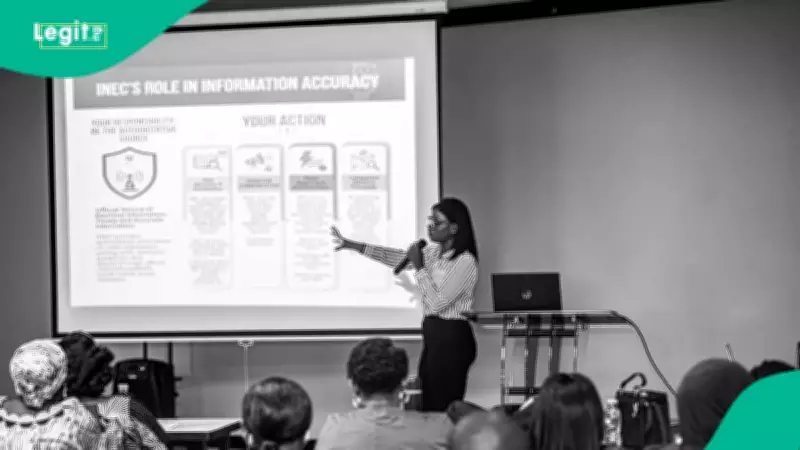
CJID and INEC Partner to Combat Election Misinformation Through Specialized Training
In a significant move to safeguard electoral integrity, the Centre for Journalism Innovation and Development (CJID) has partnered with the Independent National Electoral Commission (INEC) to conduct a comprehensive Media Information Literacy (MIL) and fact-checking training program. This initiative comes as crucial preparation for the upcoming February 21 Area Council election in Nigeria's Federal Capital Territory.
Strengthening Electoral Integrity Through Information Literacy
The two-day training program, organized through CJID's Media in National Elections Project (MiNE) and DUBAWA verification platform, brought together 25 INEC staff members and representatives from all six area councils of the FCT. Held in Abuja, this collaborative effort represents a proactive approach to addressing the growing challenges of digital misinformation that threaten Nigeria's electoral processes.
INEC's administrative secretary, representing the FCT Resident Electoral Commissioner, emphasized the commission's commitment to protecting the electoral information environment. "In today's digital age, the media environment, particularly social and online media, has become a powerful force in shaping public perception of elections," she stated during her opening remarks. "While it offers opportunities for transparency and voter education, it also poses serious risks when abused."
Addressing Digital Threats to Democratic Processes
The training initiative recognizes that false and misleading information circulating online can significantly undermine electoral credibility, compromise election security, and erode public trust. According to INEC officials, the commission's responsibilities now extend beyond traditional election logistics to include protecting the information ecosystem surrounding electoral activities.
"As we prepare for forthcoming electoral activities, including the FCT area council elections, we must also protect the information environment around elections," the INEC representative emphasized. "Accurate information must prevail over falsehood."
CJID's Strategic Approach to Information Warfare
Akintunde Babatunde, Executive Director of CJID, described INEC as one of Nigeria's most critical democratic institutions while acknowledging its vulnerability to public distrust fueled by misinformation. He stressed that media information literacy has become essential for election management bodies to recognize and address information warfare effectively.
"This training is not about blame. It is about partnership, how INEC's framework and CJID's technical capacity can work together to protect electoral integrity and also protect election officials," Babatunde explained. The CJID director revealed that his organization has implemented similar interventions across 13 African countries, working collaboratively with various election management bodies to counter the growing influence of digital disinformation.
Organizational Background and Electoral Impact
The Centre for Journalism Innovation and Development operates as a prominent African media technology organization with presence in 13 countries across the continent. Founded in 2014 as a Nigerian non-governmental organization, CJID has established itself as a leader in several critical areas:
- Investigative journalism and media innovation
- Open data initiatives and information verification
- Promotion of journalist welfare and safety
- Election monitoring and democratic accountability
- Advocacy for freedom of information and expression
Through its Media in National Elections (MiNE) project, CJID focuses specifically on enhancing electoral process accountability by bringing together civil society organizations, election management bodies, and advocacy groups. The DUBAWA verification project, another CJID initiative, works to instill a culture of truth and verification in public discourse through partnerships with media organizations, government agencies, civil society, technology companies, and the general public.
Public Confidence and Electoral Preparedness
In related developments, recent survey data from civil society organization Yiaga Africa reveals concerning trends in public confidence regarding electoral processes. According to their National Voting Intentions Survey conducted between December 1 and 5, 2025, only 45 percent of Nigerians expressed confidence in INEC's ability to conduct credible elections ahead of the 2027 general polls.
The survey, which involved telephone interviews with 1,500 respondents across all 36 states and the Federal Capital Territory, carries a 95 percent confidence level with a margin of error of ±4.26 percent. These findings underscore the critical importance of initiatives like the CJID-INEC training program in rebuilding public trust and ensuring transparent electoral processes.
As Nigeria prepares for the February 21 Area Council election in the FCT, this collaborative training initiative represents a significant step toward creating a more resilient electoral information environment. By equipping INEC officials with media literacy and fact-checking skills, both organizations aim to strengthen institutional communication, promote credible elections, and ultimately enhance democratic accountability in Nigeria's evolving digital landscape.