Stakeholders in Nigeria’s electoral process have called for stronger measures to curb vote buying and electoral violence ahead of the June 20 governorship election in Ekiti State. They warned that both threats could undermine the credibility of the poll.
Policy Dialogue in Ado Ekiti
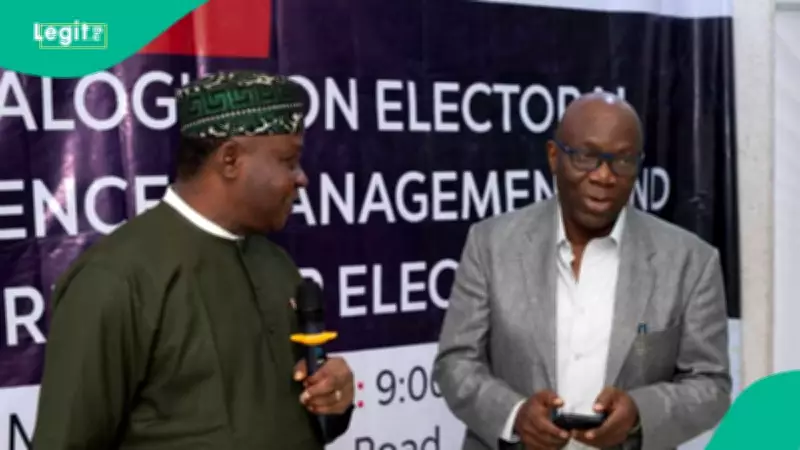
The concerns were raised during a policy dialogue organized by the Peering Advocacy and Advancement Centre in Africa (PAACA) and interpreteAfrica in Ado Ekiti. The event was attended by representatives of the Independent National Electoral Commission (INEC), the National Orientation Agency (NOA), security agencies, civil society groups, traditional rulers, religious leaders, and the media.
Participants emphasized that the success of the election would depend not only on preparations by electoral authorities but also on the ability of institutions to prevent voter inducement and ensure a peaceful environment before, during, and after the vote.
Security Remains Top Concern
Ezenwa Nwagwu, executive director of PAACA, revealed findings from a recent public opinion survey showing that security remained the top concern for residents of the state. About 70% of respondents identified security as their priority issue, while 57% expressed fears over election-related violence. Nwagwu noted that these concerns could discourage voter turnout if not addressed.
He also highlighted a growing gap in voter participation between older and younger citizens, noting that many young people remain less engaged in the electoral process despite being active online. He called for sustained voter education and urged political actors to focus on issue-based campaigns centered on security, jobs, and infrastructure.
INEC Pledges Stricter Enforcement
The Resident Electoral Commissioner in Ekiti State, Bunmi Omoseyindemi, stated that the electoral commission is intensifying efforts to tackle electoral offenses and ensure compliance with the Electoral Act. He identified vote buying, multiple voting, political violence, misinformation, and destruction of electoral materials as major threats to credible elections.
“The credibility of any election depends not only on efficient administration but also on strict adherence to the rule of law by all stakeholders,” Omoseyindemi said. He added that the commission is expanding voter education campaigns across local government areas and strengthening collaboration with security agencies to improve intelligence gathering and enforcement against electoral offenses.
According to him, INEC is also increasing the deployment of technology to improve transparency in voter accreditation and result management, while engaging political parties on peaceful campaigns and compliance with campaign finance regulations.
Experts Warn Weak Prosecutions Fuel Offenses
Delivering the keynote address, Professor Shola Omotola of Federal University Oye Ekiti said electoral offenses continue to threaten Nigeria’s democracy because of weak consequence management and poor enforcement. He noted that breaches of electoral rules undermine participation, competition, and legitimacy, while eroding public trust in democratic institutions.
Omotola stressed that weak institutional capacity, corruption, poor prosecution rates, and limited convictions have allowed electoral offenses to persist for decades. He emphasized that prosecuting electoral offenders requires stronger coordination among the Office of the Attorney-General, the police, INEC, the judiciary, political parties, anti-corruption agencies, civil society groups, and the media.
Ibiyinka Ogunlade, also speaking at the event, said peaceful elections are essential for democratic development and greater youth participation. She urged civil society organizations to intensify voter education and election monitoring, while calling on young people to reject violence and political manipulation.
NOA and Traditional Rulers Join Efforts
The Ekiti State coordinator of the NOA, Akomolede Fumilayo Oluwakemi, said the agency has increased public sensitization campaigns ahead of the poll and appealed to residents to participate peacefully. Chairman of the Council of Traditional Rulers, Adejimi Adu Alagbado, said traditional rulers will continue sensitizing residents, especially in rural communities, on the need to reject violence and participate in the election.
INEC Partners with Traditional Rulers
In a related development, INEC has enlisted the support of traditional rulers in Ekiti State to ensure peace before, during, and after the June 20, 2026, governorship election. The REC, Dr. Omoseyindemi, stated during a stakeholders’ meeting in Ado Ekiti that the traditional institution has a vital role to play in promoting peace and unity. He explained that the voices of monarchs carry weight in their communities and across the state.