Fact-Checking Viral Claims About Kwankwaso and Obi's Alleged 2027 Alliance
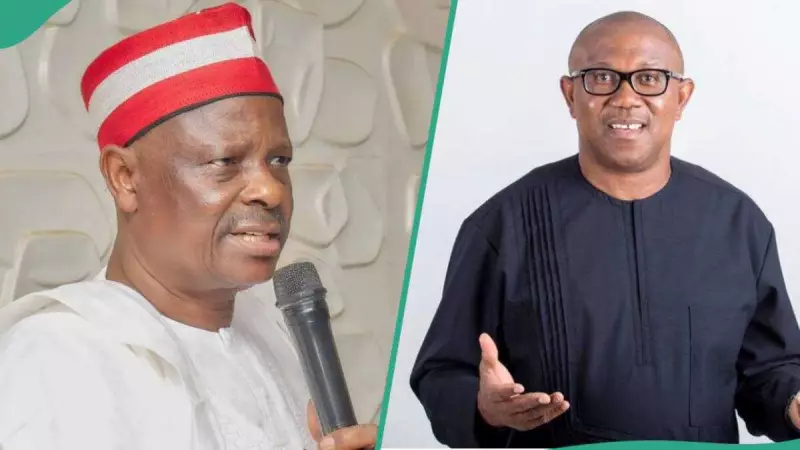
As Nigeria approaches the 2027 general elections, social media platforms have become breeding grounds for misleading political narratives targeting prominent figures. Rabiu Musa Kwankwaso, the former governor of Kano State and national leader of the New Nigeria People's Party (NNPP), has frequently been at the center of such disinformation campaigns. The latest viral claim suggests he has agreed to serve as Peter Obi's running mate in the upcoming presidential race, but thorough investigation reveals this assertion lacks factual basis.
The Origin and Nature of the Misleading Claim
The false narrative emerged from a Facebook post by a user identified as @Ogwu Tv, who alleged that Kwankwaso had accepted the vice-presidential slot under Peter Obi's potential 2027 presidential ticket. The post featured two videos: one where the user narrated the claim, and another showing Kwankwaso speaking at a public event without audible sound. The narrator explicitly stated, "Rabiu Musa Kwankwaso said he wants Peter Obi to be the president of this country. He said he wants to be his number two in the forthcoming presidential election." This post encouraged widespread sharing, presenting the claim as a significant political development.
Contextual Analysis of the Video Evidence
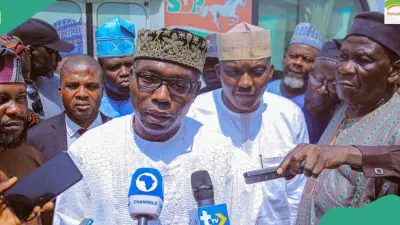
Fact-checkers examined the video clip closely and discovered it had been taken out of context. A brief segment shows Kwankwaso speaking in Hausa, saying, "Ni Rabiu Kwankwaso in hau ko da namba daya ne ko biyu," which translates to, "I, Rabiu Musa Kwankwaso, will rise to the top, either as number one or number two." This statement was followed by audience applause. The video actually predates the claim and was recorded at a Kwankwasiyya gathering at Kwankwaso's residence on Miller Road in Kano. A longer version shared by News Central reveals Kwankwaso was discussing coalition politics broadly, stating, "We hope to form a coalition with another party, whether NNPP or another party. But what we want is a party that will agree that I, Kwankwaso, will be either the number one or the number two."
Fact-Checking Methodology and Findings
DUBAWA fact-checkers conducted comprehensive keyword searches including "Kwankwaso supports Peter Obi 2027" and "Kwankwaso vice president Peter Obi." Their investigation found:
- No credible news reports supporting the allegation
- No official statements from either Kwankwaso or Obi's camps
- No verified interviews confirming such an agreement
- The video had been manipulated and presented out of context
As of January 19, 2025, the misleading post had garnered over 1,000 views and generated mixed reactions. Some users welcomed the idea, with one commenting, "That's good development," while others dismissed it outright, with another stating, "It's a lie, Kwankwaso can't be Peter Obi's vice president."
Pattern of Misinformation Targeting Kwankwaso
This incident follows a pattern of false claims about Kwankwaso circulating on social media. In May 2025, a viral Facebook post falsely claimed he had defected to the All Progressives Congress (APC), using a doctored video showing him wearing a cap with President Bola Tinubu's insignia. Fact-checkers later confirmed the image had been digitally altered, debunking the claim completely.
Broader Political Context and Realignments
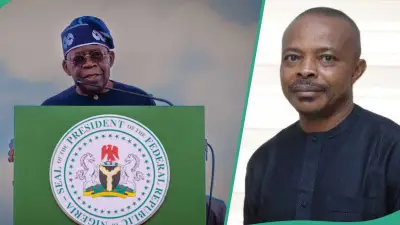
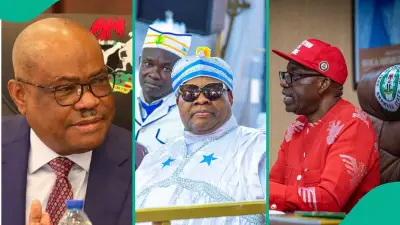
Amid these misinformation campaigns, genuine political realignments are occurring ahead of the 2027 elections. Recent reports indicate fresh political movements following a closed-door meeting between President Bola Ahmed Tinubu and Kano State Governor Abba Kabir Yusuf. Strong indications suggest the governor may defect from the NNPP to the ruling APC, with the meeting at the Presidential Villa in Abuja resolving key political concerns that had previously delayed Yusuf's planned defection.
This development highlights the complex political landscape where genuine realignments coexist with manufactured narratives designed to influence public perception.
Importance of Media Literacy and Verification
The proliferation of such false claims underscores the critical need for media literacy among Nigerian social media users. Citizens must develop the habit of verifying information through credible sources before sharing political content. Fact-checking organizations play a vital role in debunking misinformation, but individual responsibility remains paramount in combating the spread of false narratives that can distort political discourse and undermine democratic processes.
As the 2027 elections approach, voters should expect more such misleading claims and prepare themselves with critical thinking skills and verification practices to navigate the increasingly complex information environment.