INEC Announces Revised Dates for 2027 General Elections
The Independent National Electoral Commission (INEC) has officially announced significant revisions to the schedule for the 2027 general elections, moving key electoral activities forward by approximately one month from previously announced dates. This announcement was made public on February 26, 2026, through official statements released to the press and shared across the commission's verified social media platforms.
New Electoral Calendar Details
The revised timetable, signed by National Commissioner for Information and Voter Education Mallam Mohammad Kudu Haruna, introduces substantial changes to Nigeria's electoral calendar. According to the updated schedule, the Presidential and National Assembly Elections, originally scheduled for Saturday, February 20, 2027, will now take place on Saturday, January 16, 2027. Similarly, the Governorship and State Houses of Assembly Elections, previously set for Saturday, March 6, 2027, have been rescheduled to Saturday, February 6, 2027.
INEC has also adjusted the timeline for party primaries and campaign activities in accordance with its powers under the Electoral Act 2026. The new calendar mandates that party primaries, including the resolution of disputes arising from these internal elections, will commence on April 23, 2026, and conclude by May 30, 2026. Campaign activities for Presidential and National Assembly positions will officially begin on August 19, 2026, while campaigns for Governorship and State Houses of Assembly positions will commence on September 9, 2026. All campaign activities must cease 24 hours before the respective election days.
Reasons Behind the Schedule Revision
The electoral commission cited multiple factors influencing the decision to revise the election calendar. Primarily, the enactment of the Electoral Act 2026 introduced adjustments to statutory timelines governing pre-election and electoral activities, necessitating a comprehensive review to ensure alignment with the new legislation. Additionally, concerns raised by various stakeholders, including sections of the Muslim community, highlighted potential conflicts between the original election dates and the 2027 Ramadan season. These concerns emphasized the challenges adherents might face participating in electoral processes during the fasting period.
Among prominent voices advocating for schedule adjustments was former Vice President Atiku Abubakar, who is expected to be a presidential contender in the 2027 elections. The 2027 presidential election will mark the earliest Nigerians have headed to the polls to elect a president since the restoration of democracy in 1999, with previous presidential elections consistently conducted between February and April.
INEC Leadership and Budget Allocation
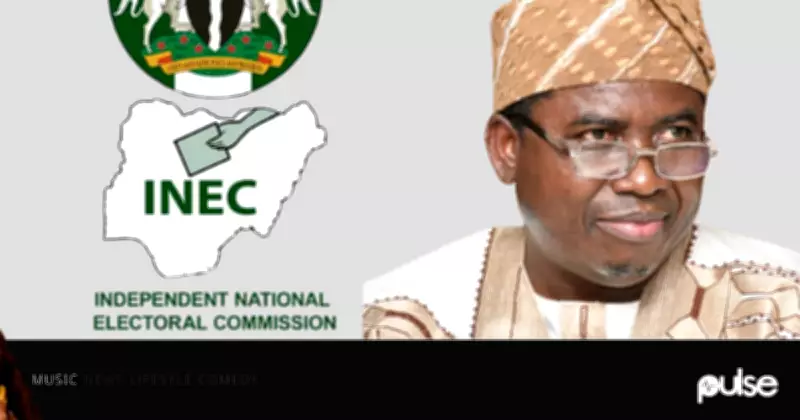
The commission will be led by Professor Joash Amupitan SAN during the 2027 electoral cycle, following his swearing-in by President Bola Ahmed Tinubu on October 23, 2025. Professor Amupitan succeeds Professor Yakubu Mahmood after his two-term tenure and will serve a five-year term overseeing Nigeria's electoral processes.
INEC has allocated a substantial budget of ₦873 billion for conducting the 2027 general elections. This budget breakdown includes ₦379.75 billion for operational costs, ₦92.32 billion for administrative expenses, and ₦209.21 billion dedicated to technological infrastructure and implementation. Additional allocations include ₦154.91 billion for election capital costs and ₦42.61 billion for miscellaneous expenses, ensuring comprehensive coverage of all electoral activities.
Political Landscape and Presidential Contest
The 2027 presidential election is anticipated to dominate national discourse as Nigerians exercise their constitutional right to elect leadership for a four-year mandate. Incumbent President Bola Tinubu of the All Progressives Congress (APC), who secured victory in the 2023 presidential election with 8,794,726 votes, is expected to seek re-election alongside Vice President Kashim Shettima. Tinubu's first term has been characterized by significant policy reforms, including the controversial removal of fuel subsidies announced during his inauguration.
The opposition landscape has evolved since the 2023 elections, with former Vice President Atiku Abubakar (who received 6,984,520 votes in 2023) and former Anambra State Governor Peter Obi (who received 6,101,533 votes) both transitioning from their previous parties to join the African Democratic Congress (ADC). The ADC is positioning itself as a major opposition force, though its electoral prospects will depend significantly on candidate selection and internal party management.
As Nigeria approaches the 2027 elections, public attention will remain focused on INEC's capacity to conduct transparent and credible electoral processes, particularly following controversies surrounding the announcement timing of the 2023 presidential election results. The commission's implementation of the revised schedule and adherence to electoral guidelines will be closely monitored by stakeholders across the political spectrum.