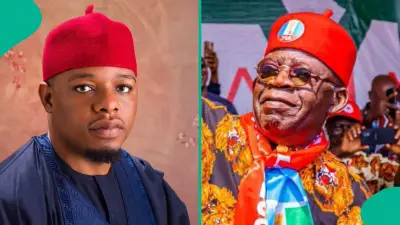
The Independent National Electoral Commission (INEC) has officially declared its preparedness for Nigeria's 2027 general elections, despite ongoing delays in the National Assembly regarding the passage of the amended Electoral Act. This significant announcement comes as the electoral body reveals it has completed comprehensive preparations for the upcoming electoral cycle.
INEC Completes 2027 Election Framework
During a crucial meeting with Civil Society Organisations (CSOs) held in Abuja on Wednesday, February 4, 2026, INEC Chairman Professor Joash Amupitan confirmed that the commission has finalized its homework on the 2027 election timetable and schedule of activities. The electoral umpire has already submitted its comprehensive framework to the National Assembly for review and consideration.
Potential Impact of Legislative Delays
Professor Amupitan acknowledged that certain elements within the 2027 election schedule might require adjustments once the National Assembly eventually passes the amended Electoral Act. However, he emphasized that INEC currently has no alternative but to operate under the provisions of the existing electoral legislation while awaiting parliamentary action.
The commission's proactive approach demonstrates its commitment to maintaining electoral integrity despite legislative uncertainties. This development occurs against the backdrop of what appears to be a prolonged deliberation process within the National Assembly regarding the crucial electoral reforms.
Operational Framework Amid Uncertainty
INEC's declaration of readiness represents a strategic move to ensure electoral continuity regardless of legislative timelines. The electoral body has established contingency plans while simultaneously pushing for the timely passage of the amended Electoral Act to facilitate smoother implementation of its 2027 election preparations.
This announcement signals INEC's determination to uphold democratic processes and maintain institutional stability ahead of Nigeria's next major electoral contest. The commission's transparency regarding its operational constraints and legislative dependencies provides valuable insight into the complex interplay between electoral administration and parliamentary processes in Nigeria's democratic system.