INEC Suspends Recognition of David Mark-Led ADC Executive, Creating Political Turmoil
The 2027 presidential election landscape has been dramatically altered following a significant announcement from Nigeria's electoral body. On April 1, 2026, the Independent National Electoral Commission (INEC) declared via its official social media channels that it would temporarily suspend recognition of the Senator David Mark-led executive committee of the African Democratic Congress (ADC).
Court Order Triggers INEC Decision
This development emerged hours after rights groups protested at INEC headquarters, demanding compliance with a Court of Appeal judgment. The appellate court had ordered parties in the suit between David Mark and Nafiu Bala Gombe to maintain status quo pending accelerated hearing of the case regarding the legitimacy of the ADC's national working committee before the Federal High Court.
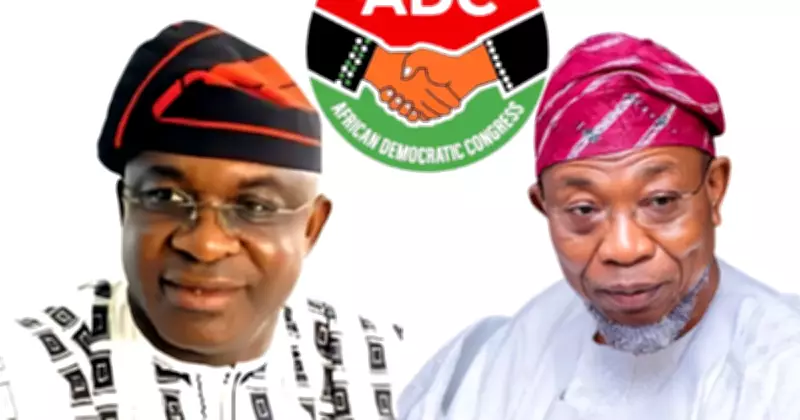
INEC revealed that legal representatives of Gombe had submitted a letter containing the Court of Appeal's decision, requesting that the commission cease recognizing David Mark and Rauf Aregbesola as National Chairman and National Secretary respectively. The letter further asked that Gombe be allowed to oversee ADC affairs until the case's determination.
"In obedience to the Court of Appeal order, INEC will cease recognition of the David Mark-led executive," the commission stated, while clarifying it would not permit Nasir Bala Gombe to assume party leadership pending the suit's resolution. INEC has since removed the David Mark-led executive from its official website.
Legal Experts Challenge INEC Interpretation
The electoral body's decision has ignited fierce debate among legal professionals, with prominent human rights lawyers questioning its legal foundation. Barrister Inibehe Effiong argued that the Court of Appeal's order for "status quo ante bellum" meant maintaining conditions before the Federal High Court suit was filed, which would keep David Mark as party chairman.
Barrister Festus Ogun pointed to Section 83(5) of the Electoral Act 2026, which states that "no court in Nigeria shall entertain jurisdiction over any suit or matter pertaining to the internal affairs of a political party." He further cited Section 83(6), prohibiting courts from granting interim or interlocutory injunctions, questioning how status quo orders could be issued under these provisions.
ADC Rejects INEC Position, Alleges Political Interference
The African Democratic Congress has firmly rejected INEC's interpretation of the court order. In a statement signed by National Publicity Secretary Mallam Bolaji Abdullahi, the party described INEC's position as contradictory and inconsistent with facts, warning that the commission has aligned with government interests against Nigerian citizens.
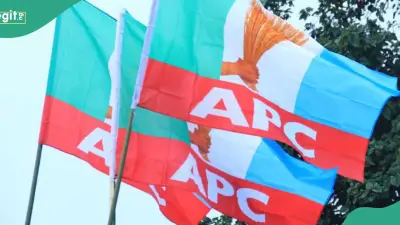
ADC presented Nafiu Bello Gombe's signed resignation letter from his deputy chairman position as evidence against his claim to legitimate party leadership. The party further accused the ruling All Progressives Congress (APC) of orchestrating a plot to destabilize ADC through INEC, particularly following ADC's recent success in welcoming former Kano State Governor Rabiu Musa Kwankwaso to its ranks.
Significant Implications for 2027 Presidential Election
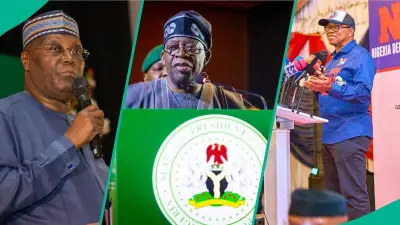
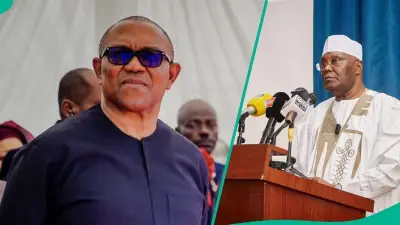
INEC's decision creates substantial complications for ADC, which has been positioning itself as a leading opposition force. This development carries particular significance for former Vice President Atiku Abubakar and former Anambra State Governor Peter Obi, both expected to seek ADC's presidential nomination for the 2027 election, now just nine months away.
The suspension of recognition for the David Mark-led executive introduces uncertainty into ADC's internal operations and electoral preparations at a critical juncture. Political observers note that this development could potentially disrupt opposition coordination and candidate selection processes, with broader implications for Nigeria's democratic landscape.
As legal battles continue and political maneuvering intensifies, all eyes remain on how this controversy will unfold and what lasting impact it may have on Nigeria's upcoming presidential election cycle.