INEC Suspends Voter Revalidation Exercise Amid Growing Concerns
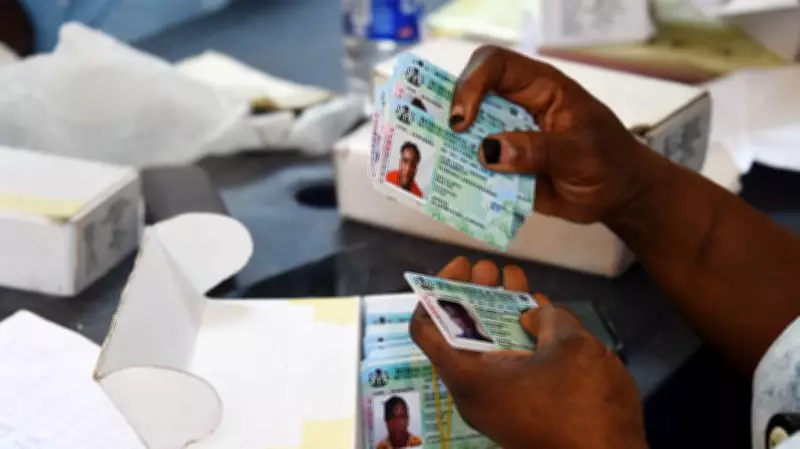
The Independent National Electoral Commission (INEC) has officially suspended its planned nationwide voter revalidation exercise, a move that has sparked significant debate among stakeholders. This decision comes as part of the commission's preparations for the 2027 general elections, with concerns raised about the timing and procedural gaps in the electoral process.
Official Announcement and Directives
In a statement dated April 4, 2026, INEC Secretary Rose Oriaran-Anthony mandated all Resident Electoral Commissioners (RECs) to halt all publicity and arrangements related to the revalidation exercise. The commission had initially announced plans to begin the exercise on April 13, 2026, aiming to update the voter register by confirming voters' statuses and data. However, RECs have been instructed to await further directives while continuing internal preparations, such as sourcing ad hoc personnel and readying the Bimodal Voter Accreditation System (BVAS) and other enrollment devices.
Stakeholder Criticisms and Timing Issues
Stakeholders, including civil society groups and public affairs analysts, have expressed deep concerns about the suspension. Samson Itodo, Executive Director of Yiaga Africa, described the voter revalidation as a good initiative but poorly timed. He emphasized that while the exercise could enhance the integrity of the electoral register by removing errors, multiple registrants, and deceased persons, its implementation close to the 2027 electoral cycle risks disenfranchising eligible voters.
Itodo highlighted several challenges, including logistical issues, limited public awareness, and tight timelines, which could prevent many citizens from completing the revalidation process. He argued that the most appropriate time for such an exercise is immediately after a general election, allowing for proper planning, stakeholder consultation, and public sensitization without compromising electoral credibility.
Transparency and Electoral Implications
The lack of transparency in INEC's framework and procedures for the revalidation has also been a point of contention. Itodo stressed that voter revalidation carries significant political and electoral consequences, making timing and transparency critical. He warned that introducing the exercise now, with ongoing voter registration and imminent political party primaries, could overwhelm the system, confuse voters, and potentially suppress participation.
Awalu Anka, a Kaduna State-based Public Affairs Analyst, added that INEC bears the weight of public expectations and must ensure its actions reflect patriotism and impartiality. He urged the commission to avoid precipitate actions that could endanger the credibility and transparency of the 2027 elections, especially after revising its election timetable.
Virtual Meeting and Future Steps
In related developments, INEC has announced that its scheduled meeting with RECs will now be held virtually. Originally set for April 9, 2026, at the commission's headquarters in Abuja, the meeting has been moved online, with RECs advised to remain in their respective states and await login details. This change reflects the commission's adaptability amid ongoing adjustments to its electoral preparations.
As INEC navigates these challenges, stakeholders continue to call for a more transparent and well-timed approach to voter revalidation, emphasizing the need to balance electoral integrity with inclusive voter participation in the democratic process.