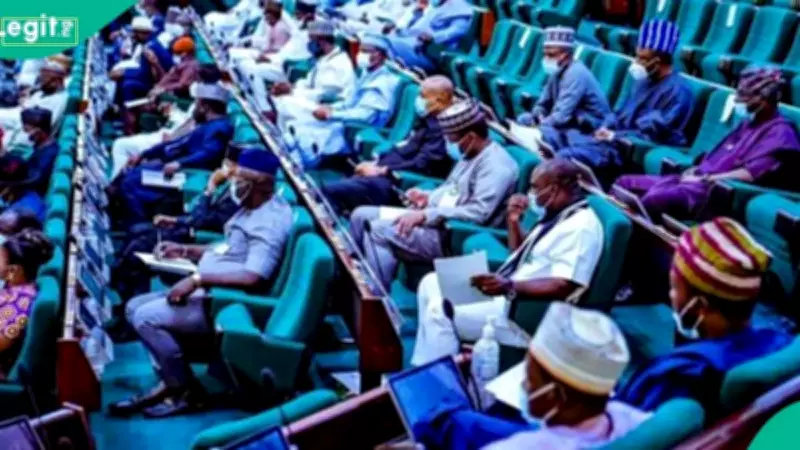
Nigeria's House of Representatives Approves Stringent Penalties for Dual Political Party Membership
The House of Representatives has taken a decisive step to curb political opportunism by amending the Electoral Act 2026 to criminalize dual political party membership across Nigeria. Lawmakers have approved severe sanctions, including jail terms of up to two years or fines of N10 million for offenders, following intense floor debates during a recent plenary session.
Amendments to Section 77 of the Electoral Act 2026
The session, presided over by Deputy Speaker Benjamin Okezie Kalu, saw the insertion of three new clauses into Section 77 of the recently assented Electoral Act 2026. These amendments were considered individually and approved after prolonged exchanges among members, reflecting the contentious nature of the issue. The decision aims to enforce discipline within party structures and prevent individuals from holding membership in multiple political parties simultaneously.
Key Provisions of the New Clauses
Clause 8 establishes a clear statutory bar against dual registration, stating that "A person shall not be registered as a member of more than one political party at the same time." This provision closes gaps that previously allowed such practices to persist, setting a firm legal boundary for political affiliation.
Clause 9 addresses the status of individuals found to have registered with multiple parties. It declares that such dual membership shall be void, and the person shall cease to be recognized as a valid member of any political party until regularization in accordance with the Act and relevant party constitutions. This clause ensures that offenders lose their party privileges immediately upon discovery.
Clause 10 introduces criminal liability for deliberate dual membership, stating that "A person who knowingly registers or maintains membership in more than one political party at the same time commits an offence and is liable on conviction to a fine of N10,000,000 or to imprisonment for a term of two years, or both." This punitive measure signals the House's intent to deter political opportunism and uphold electoral integrity.
Implications for Future Elections
The revised framework combines prohibition, loss of status, and punishment to create a unified legal approach. These amendments are expected to significantly influence party registration practices ahead of future elections, as political actors must now navigate a clearer and more punitive legal environment. The move is part of broader efforts to enhance transparency and accountability in Nigeria's political landscape, potentially reducing instances of cross-party maneuvering and fostering more stable party affiliations.
This development follows other political shifts, such as the recent resignation of Senator Binos Yaroe from the Peoples Democratic Party, highlighting ongoing realignments within Nigeria's political sphere. The House's action underscores a commitment to strengthening electoral laws and ensuring that party membership reflects genuine political allegiance rather than strategic convenience.