Key Ally of Peter Obi Resigns from Labour Party Ahead of 2027 Elections
In a significant political development ahead of the 2027 general elections, Ife Salako, the Lagos State coordinator of the Obidient Movement, has officially resigned from the Labour Party (LP). The resignation was announced on Friday, January 30, through a statement shared on Salako's verified X (formerly Twitter) account.
Salako's Departure from Labour Party
In his resignation statement, Salako expressed gratitude to the entire leadership of the Labour Party for the opportunity to oversee party affairs at different stages. He stated that it has become inevitable for him to embark on a new phase that aligns with his vision for Nigeria's future. Salako emphasized that his quest for a better Nigeria that works for all shall always supersede his political ambitions.
Move to African Democratic Congress
Salako disclosed that he will be joining the African Democratic Congress (ADC), the political party associated with former Vice-President Atiku Abubakar and former Anambra State governor Peter Obi. This move positions Salako within a party that has become a significant platform for opposition politics in Nigeria.
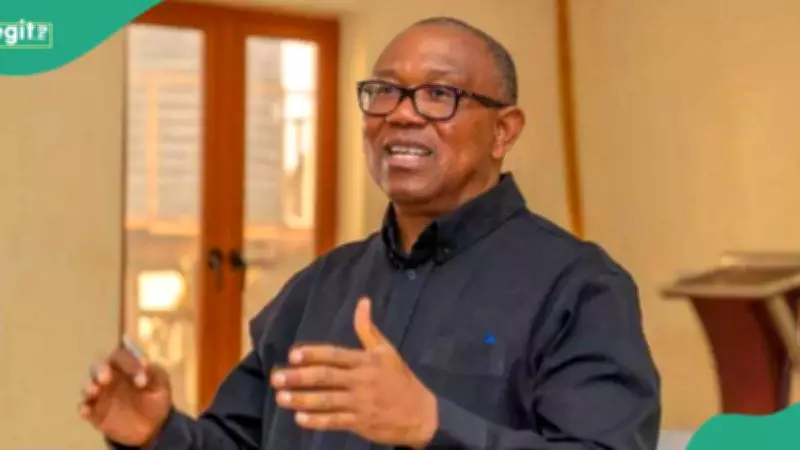
As a staunch ally of Peter Obi, who remains a prominent presidential hopeful, Salako's departure from the Labour Party represents a notable shift in the political landscape. His role as Lagos State coordinator for the Obidient Movement gave him considerable influence within the political structure supporting Obi's presidential ambitions.
Political Implications for 2027 Elections
The resignation comes at a crucial time as political alignments begin to take shape ahead of the 2027 elections. Salako's move to ADC suggests potential realignments within opposition parties and could influence voter mobilization strategies in Lagos State, Nigeria's commercial capital and most populous state.
Political analysts are watching these developments closely, as movements of key political figures between parties often signal broader strategic shifts. The Obidient Movement, which gained significant momentum during the 2023 elections, continues to be a force in Nigerian politics, and Salako's leadership role made him a significant figure within this political bloc.
More details are expected to emerge as political parties continue their preparations for the 2027 electoral cycle, with realignments and defections likely to continue shaping Nigeria's political landscape in the coming months.