The Peering Advocacy and Advancement Centre in Africa (PAACA) has accused Nigerian political parties of undermining democratic standards through flawed primary elections. The organisation said weak accreditation processes, poor oversight, and the influence of powerful political actors are eroding internal party democracy and fuelling recurring party crises.
Flawed Primaries Undermine Democracy
PAACA called for greater scrutiny of primaries and stronger party institutions as part of broader electoral reform efforts. Political parties in Nigeria are failing to meet basic democratic standards in the conduct of their primary elections, a civil society group has said, warning that weaknesses within party structures are contributing to the country's broader electoral credibility challenges.
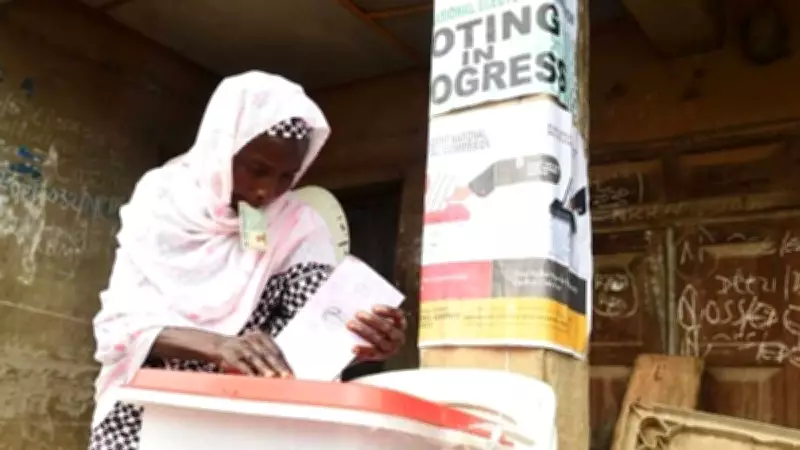
Speaking with journalists in Abuja on Sunday, May 30, PAACA Executive Director, Ezenwa Nwagwu, argued that political parties play a critical role in Nigeria’s electoral process because they organise primaries that determine who eventually appears on the ballot. According to him, flaws in those internal elections are undermining democratic governance long before Nigerians cast their votes during general elections.
Observations from Recent Party Congresses
Nwagwu said observations from recent party congresses and conventions revealed shortcomings in accreditation procedures and compliance with electoral regulations. He questioned whether political parties were deploying their legally required digital membership registers during accreditation exercises, despite having submitted such registers to the Independent National Electoral Commission (INEC).
“The law mandates political parties to maintain digital membership registers and parties have admitted submitting those registers to INEC. But did we see proper accreditation? Did we see the deployment of the digital membership registers in the processes we observed?” he said.
He also raised concerns about participation in some primaries, alleging that voting processes in certain locations appeared open to individuals beyond verified party membership structures. According to Nwagwu, these gaps weaken confidence in candidate selection processes and raise questions about internal accountability mechanisms within political parties.
Too Much Attention on General Elections
The PAACA executive director said public attention has largely focused on general elections, while the processes that produce candidates receive far less scrutiny. He argued that journalists, election observers and civil society organisations often monitor nationwide polls closely but pay limited attention to party primaries.
“We are overly focused on the secondary election, which is the general election, but we are completely absent in the primary election process, whether as journalists, civil society organisations or observers,” he said.
Nwagwu maintained that stronger oversight of party primaries would improve the quality of leadership recruitment and strengthen democratic outcomes. “Political parties present candidates to Nigerians, not INEC. If we pay the same level of attention to primary elections, especially the process that produces candidates, we will get better democratic outcomes,” he added.
Internal Party Crises Linked to Collapse of Institutions
Beyond concerns over primaries, PAACA linked recurring factional disputes, court battles and leadership crises within political parties to weakened internal institutions. Nwagwu said influential political figures have increasingly taken control of party structures, limiting the independence of organs designed to maintain discipline and resolve conflicts.
He argued that bodies such as Boards of Trustees (BoTs), traditionally regarded as stabilising institutions within parties, have lost the authority needed to mediate disputes and enforce internal discipline. “If the Board of Trustees is functional and respected, it should have the credibility to rein in erring, dissatisfied or frustrated members of the party. But because the BoT is feeding from political figures, it can no longer exercise that kind of discipline,” he said.
According to him, many BoTs have become divided along factional lines, reducing their effectiveness as neutral arbiters during internal disagreements.
Godfather Influence Weakening Party Leadership
Nwagwu also criticised the composition of National Working Committees (NWCs) across political parties, saying many officials owe their positions to powerful political sponsors rather than party institutions. He said this arrangement has weakened the ability of party executives to act independently and prioritise organisational interests.
“The NWC, which is supposed to be the engine room of the party, is filled with representatives of political figures. By their own admission, positions in the NWC are shared among so-called party leaders,” he said. According to him, party officials often remain more accountable to influential patrons than to the structures they were elected to manage.
Call for Electoral Reform Through Stronger Party Democracy
PAACA said sustainable electoral reform cannot be achieved without strengthening internal party democracy. The organisation urged Nigerians, election observers and civil society groups to pay closer attention to party primaries and the institutions responsible for managing political parties.
Nwagwu warned that unless political parties rebuild credible and independent internal structures, recurring disputes, factionalisation and instability will continue to threaten Nigeria’s democratic development.
INEC Officially Begins 2027 General Elections Activities
Meanwhile, INEC has officially started the activities for the 2027 general election processes, as the 38-day window for political parties to conduct their primaries opened. Parties are expected to hold their primaries for presidential, governorship, national and state houses of assembly seats from April 23 to May 30, 2026, as stipulated in the INEC timetable. The window period is also meant for the parties to accommodate the resolutions of disputes that arise from the primaries.