Ekiti Police Vow Crackdown on Vote Buying Ahead of 2026 Governorship Election
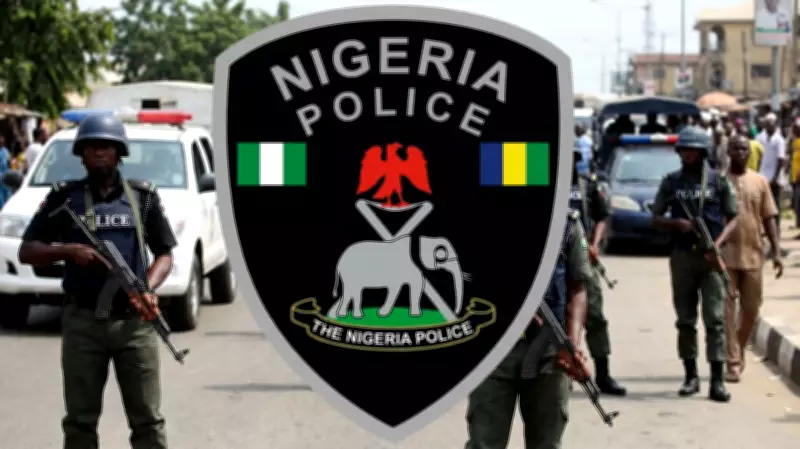
The Ekiti State Police Command has issued a stern warning, pledging to arrest vote buyers and criminal elements during the 2026 governorship election in the state. This commitment aims to ensure a credible, free, and fair electoral process, as political activities intensify ahead of the crucial poll.
Police Commissioner's Firm Stance on Electoral Integrity
The Commissioner of Police, represented by the Command's spokesman, SP Sunday Abutu, made this declaration in Ado-Ekiti over the weekend. Speaking at a two-day "Ekiti State Government Media-Led Stakeholders' Dialogue on Credible Election," Abutu emphasized that the police would be uncompromising in tackling vote buying and vote trading.
"We are going to be tough on vote buying and trading. We will always have criminal elements, and that is why we have the police. They will try to beat our strategies, but we will deploy our forces to prevent that menace," Abutu stated firmly.
He acknowledged that criminal elements often attempt to undermine electoral processes but assured that the police have robust strategies in place to prevent such activities. The command is already aware of the tense political atmosphere typically associated with elections and remains proactive in addressing emerging security threats.
International Press Centre's Media Engagement Initiative
The dialogue was organized by the International Press Centre (IPC) in collaboration with the Centre for Media and Society (CEMESO), with sponsorship from the European Union. IPC Executive Director, Lanre Arogundade, explained that the event was funded under the programme titled: "EU-Support to Democratic Governance in Nigeria (EU-SDGN II), Component 4: Support to Media."
Arogundade noted that the initiative aims to strengthen the capacity of the media to promote credible elections through factual, accurate, and fair reporting. This programme is part of a broader five-year intervention designed to support democratic governance and improve the media's role in Nigeria's electoral process.
"Fact-checking and inclusive reporting are critical responsibilities for journalists, particularly during election periods," Arogundade emphasized. "The media must play a central role in ensuring transparency and accountability in the democratic process."
Electoral Commission Emphasizes Voter Education
Also speaking at the event, the Resident Electoral Commissioner in Ekiti State, Bunmi Omosehindemi, highlighted that voter education and proper accreditation processes are critical to the success of any election. His remarks underscored the importance of comprehensive preparation and public awareness in achieving electoral credibility.
Media Experts Call for Journalistic Retooling
Resource person and Director of Journalism Clinic, Taiwo Obe, urged journalists to retool themselves and embrace artificial intelligence to remain effective in the evolving media landscape. Obe emphasized that the digital transformation of the media industry requires continuous skill upgrades for journalists to stay relevant.
"My charge to today's journalists is to retool themselves and learn how to use digital apps and tools in their practice because media consumption habits have changed in the digital milieu. This requires the use of those apps and tools and even artificial intelligence," Obe advised.
Similarly, Professor Adebola Aderibigbe of Mass Communication at the Federal University Oye-Ekiti (FUOYE) urged journalists to ensure that coverage of the forthcoming governorship election is driven by issues rather than personalities. This approach, he argued, would contribute to more substantive and informative electoral reporting.
Collaborative Efforts for Peaceful Elections
Abutu stressed that the police would continue to work with relevant stakeholders to maintain peace and order. He emphasized that the joint objective of all actors involved in the electoral process is to deliver a credible election in Ekiti State. This collaborative approach involves security agencies, electoral bodies, media organizations, and civil society groups working in concert to safeguard the democratic process.
The two-day dialogue represents a significant step in preparing various stakeholders for the 2026 governorship election, scheduled for June 20. With the police committing to stringent measures against electoral malpractices and media organizations enhancing their reporting capabilities, Ekiti State appears poised for a more transparent and accountable electoral exercise.