ADC Faction in Adamawa Takes Drastic Action Against Political Heavyweights
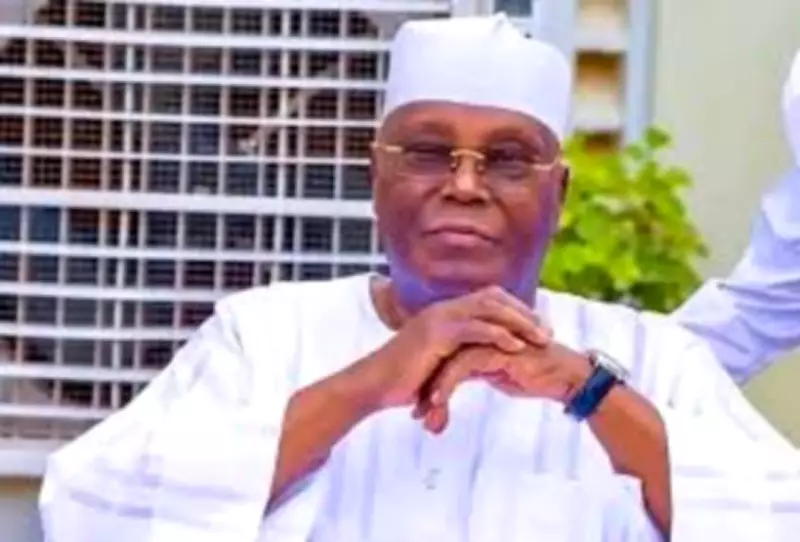
The political landscape in Adamawa state witnessed a significant development today, April 13, as a faction of the African Democratic Congress (ADC) announced the suspension of two prominent political figures. The faction, led by state chairman Raji Sulaiman Zumo, declared the suspension of former Vice President Atiku Abubakar during a meeting with executive members of his faction.
Dual Suspensions Announced Amid Party Turmoil
In a move that underscores the deepening crisis within the ADC, the faction also suspended former Secretary to the Government of the Federation (SGF), Babachir Lawal. These suspensions come at a time when the party is grappling with internal conflicts and leadership challenges that threaten its unity and electoral prospects.
The announcement was made official during a gathering where Zumo addressed other executives of his faction, highlighting the faction's determination to assert its authority and reshape the party's direction. This action represents a bold statement in the ongoing power struggle that has divided the ADC into competing factions with conflicting visions for the party's future.
Leadership Crisis and INEC's Response
The ADC's internal crisis has been further complicated by a faction led by Nafiu Bala Gombe, which is actively claiming the position of national chairman of the party. This leadership dispute has created a schism within the party, with different groups vying for control and recognition.
The escalating situation prompted the Independent National Electoral Commission (INEC) to take decisive action by derecognizing the leadership of the ADC under former Senate President David Mark. This regulatory move by INEC adds another layer of complexity to the party's already turbulent situation, potentially affecting its standing in future elections and its ability to function as a cohesive political entity.
The suspensions of Atiku Abubakar and Babachir Lawal by the Adamawa faction signal a significant shift in the party's internal dynamics. Both figures are influential political personalities with substantial followings, and their suspension could have far-reaching implications for the ADC's support base and political strategy moving forward.
As the party navigates this period of uncertainty, observers are closely watching how these developments will impact the ADC's structure, membership, and participation in Nigeria's political arena. The coming weeks are likely to reveal whether the party can resolve its internal conflicts or if further divisions will emerge, potentially reshaping the political landscape in Adamawa state and beyond.