PWDs Demand Full Electoral Inclusion in Nigeria, Call for Action Beyond Promises
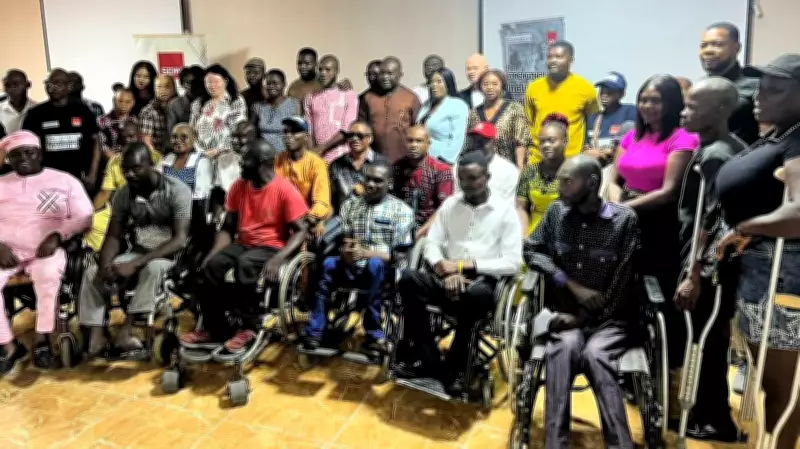
Persons with disabilities (PWDs) in Nigeria have issued a powerful and urgent call for comprehensive inclusion in the nation's electoral process, urging authorities to move beyond mere rhetoric and implement tangible support measures that safeguard their fundamental rights to vote and stand for election. This demand was the central focus of a multi-stakeholder roundtable on inclusion, organized by the Stakeholder Democracy Network (SDN) in Port Harcourt, where participants highlighted persistent and systemic obstacles.
Persistent Barriers to Participation
Participants at the meeting underscored a range of challenges that continue to marginalize PWDs, including inaccessible voter registration procedures, difficulties in collecting Permanent Voter Cards (PVCs), and severely limited opportunities for involvement in party politics and candidacy. Florence Ibok-Abasi, the SDN Country Director, emphasized that inclusion efforts must be deliberate and customized to address the diverse realities faced by individuals with visual, hearing, and mobility impairments.
"Persons with disabilities are not a homogenous group. Their needs differ, and our responses must reflect that if we are serious about inclusion," she stated firmly. Ibok-Abasi detailed SDN's ongoing advocacy work, which includes close collaboration with the Rivers State Government to promote reforms focused on gender, youth, and disability issues. She noted that these demands have been integrated into key political events, such as a governorship debate, and driven through engagements with political parties to compel greater attention on disability inclusion.
INEC's Efforts and Ongoing Challenges
In response, the Independent National Electoral Commission (INEC) has announced intensified efforts to bridge the inclusion gap. Geraldine Ekelemu, the Rivers State Head of Voter Education and Publicity, outlined several initiatives, including the establishment of a dedicated department for disability affairs, decentralized voter registration at the ward level, and the introduction of online components to enhance accessibility.
Ekelemu added that sign language interpreters are now being deployed during election processes to ensure voters with hearing impairments are not excluded from critical moments, such as result announcements. Furthermore, INEC is utilizing data analytics to better understand the specific needs of voters with disabilities and to deploy appropriate assistive materials on election day.
Calls for Real-Time Support and Broader Acceptance
Despite these measures, many participants stressed that progress must translate into immediate, practical support at polling units. Mrs. Ifeyinwa Djegbada welcomed INEC's openness to alternative voting methods, such as toe voting for individuals unable to use their hands, describing it as a positive step forward. However, she urged the National Orientation Agency to amplify awareness campaigns specifically targeted at PWDs and called on political parties to broaden their inclusivity—not only for voters but also for candidates with disabilities.
Another participant, Nwosu Justice, acknowledged that SDN's advocacy has increased awareness among PWDs but cautioned that deep-rooted discrimination continues to hinder their participation, even within family settings. "Awareness is growing, but acceptance is still a battle we must fight," he remarked, highlighting the social barriers that persist alongside institutional ones.
A Unified Resolve for Change
The roundtable concluded with a strong, unified resolve among all stakeholders to dismantle existing barriers and construct an electoral system where disability does not equate to disadvantage. The collective aim is to ensure that every voice, including those of PWDs, is fully counted and valued in Nigeria's democratic processes, moving from promises to actionable and sustainable inclusion.