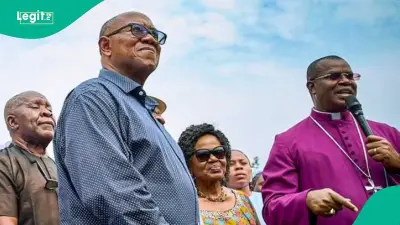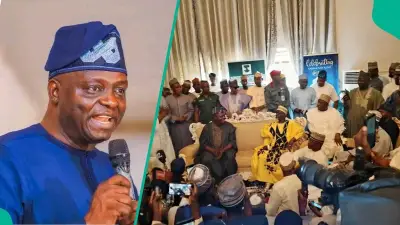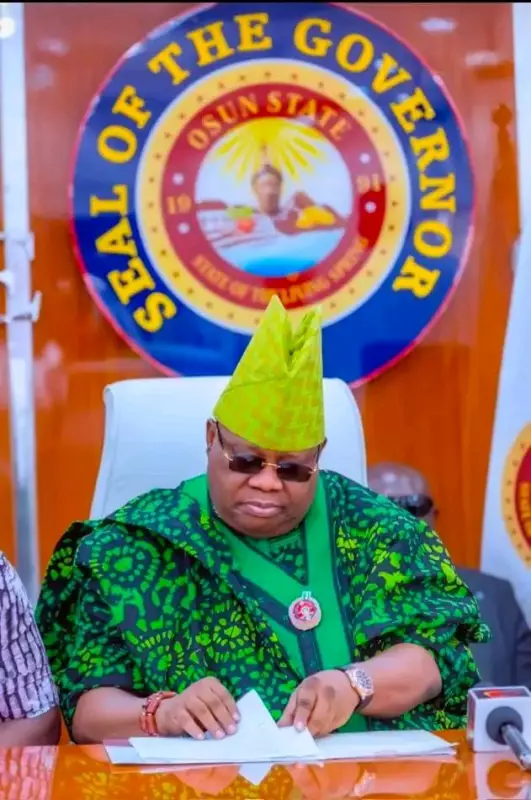
A significant religious advocacy group in Osun State has issued a compelling demand to all political parties ahead of the 2026 governorship election. The coalition, representing Christian interests across the state, is calling for exclusive nomination of Christian candidates for the top political position.
The Rationale Behind the Demand
The group's position stems from what they describe as a critical need for religious equilibrium in Osun's political landscape. According to their detailed analysis, the state has maintained what they term a "tradition of religious balancing" in its leadership structure.
This demand emerges against the backdrop of Osun's political history, where leadership positions have typically alternated between Christian and Muslim candidates. The coalition argues that maintaining this delicate balance is essential for continued harmony and equitable representation in the state.
Historical Context and Current Reality
Osun State has historically demonstrated sensitivity to its diverse religious composition in political appointments and elections. The current governor, Ademola Adeleke, identifies as a Muslim, following his predecessor, Adegboyega Oyetola, who is also Muslim.
The religious advocacy group emphasizes that this consecutive Muslim leadership creates an imperative for Christian representation in the upcoming electoral cycle. They contend that respecting this unwritten rule of religious alternation is crucial for maintaining social cohesion and political stability.
Broader Implications for Nigerian Politics
This development highlights the ongoing significance of religious considerations in Nigeria's political landscape. As one of Africa's most religiously diverse nations, balancing Christian and Muslim interests remains a critical factor in electoral politics, particularly in religiously mixed states like Osun.
The group's demand raises important questions about how religious identity intersects with political representation and whether such considerations should formally influence candidate selection processes.
As the 2026 elections approach, political parties in Osun State face the challenging task of navigating these religious dynamics while maintaining broad-based appeal across the state's diverse electorate.