Shariah Council Issues Stern Warning to INEC Ahead of 2027 General Elections
The Supreme Council for Shari'ah in Nigeria has delivered a crucial message to the Independent National Electoral Commission (INEC) as the nation prepares for the 2027 general elections. The Islamic body has explicitly warned against compromised electoral processes that could undermine Nigeria's democratic foundations.
Council Declares Uncompromising Stance on Election Integrity
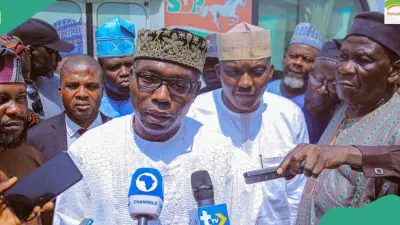
During the Council's Annual Pre-Ramadan Lecture and General Assembly held in Abuja on Wednesday, January 28, 2026, President Sheikh Dr. Bashir Aliyu Umar made a definitive statement. The Shari'ah Council declared it will neither recognize nor accept any elections conducted under questionable circumstances in 2027. This position represents a significant development in Nigeria's political landscape as electoral preparations begin.
Umar emphasized that democratic legitimacy fundamentally depends on electoral integrity. "The Council has clearly stated that the Ummah will not recognise or legitimise any election presided over by a character with questionable integrity, as democratic credibility must never be compromised," he stated firmly. This declaration comes amid growing concerns about public confidence in Nigeria's electoral institutions.
Public Trust in Electoral Institutions Deemed Vital
The Shari'ah Council leadership stressed that public confidence in institutions responsible for conducting elections is absolutely central to national stability. Umar expressed specific concerns about recent developments surrounding INEC's leadership, warning that elections conducted under questionable circumstances would inevitably lack public trust.
"No election conducted under a cloud of compromised integrity can be recognised as credible," Umar asserted during his address. The Council's message underscores the critical importance of transparent and trustworthy electoral processes for Nigeria's democratic survival.
Broader Context of National Challenges
The warning comes against a backdrop of multiple national challenges that the Shari'ah Council highlighted during the assembly. Umar described Nigeria as facing worsening insecurity, severe economic hardship, and declining public trust in institutions. The Council noted that millions of Nigerians are struggling under the weight of inflation, unemployment, and rising costs of living.
"Nigeria today stands at a critical crossroads. The nation is confronted by worsening insecurity, widespread loss of lives, economic hardship, erosion of public trust, and deep social anxiety," Umar explained. This context makes credible elections even more essential for national cohesion and stability.
Historical Context and Related Developments
The Shari'ah Council's warning follows previous criticisms of political developments in Nigeria. The organization had previously expressed regret about supporting the Muslim-Muslim ticket that brought President Bola Ahmed Tinubu to power. The Council has accused President Tinubu of marginalizing them since he assumed office in May 2023, though the President has responded by summoning emergency meetings with their leaders.
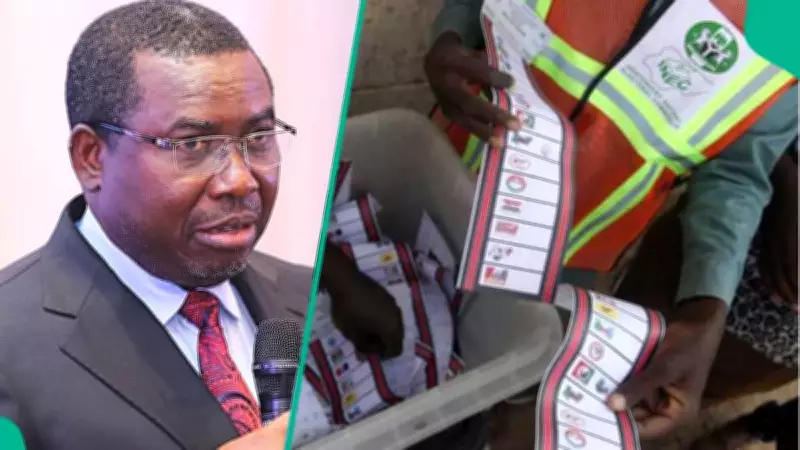
This development also aligns with calls from other Islamic organizations regarding INEC leadership. The Muslim Rights Concern (MURIC) has similarly called for the immediate removal of INEC Chairman Professor Joash Amupitan, citing trust issues. The Supreme Council for Shari'ah has urged President Tinubu to review Amupitan's appointment in light of these concerns.
Implications for Nigeria's Democratic Future
The Shari'ah Council's strong stance represents a significant voice in Nigeria's ongoing democratic conversation. As the country approaches the 2027 elections, this warning adds to growing calls for electoral reform and transparency. The Council's position emphasizes that religious and community leaders are paying close attention to electoral processes and will hold institutions accountable.
The assembly in Abuja was attended by Islamic scholars, traditional and community leaders, professionals, representatives of Islamic organizations, and media representatives, indicating broad concern about electoral integrity across Nigerian society. As preparations for the 2027 elections intensify, this warning from a major religious body will likely influence public discourse and institutional preparations.