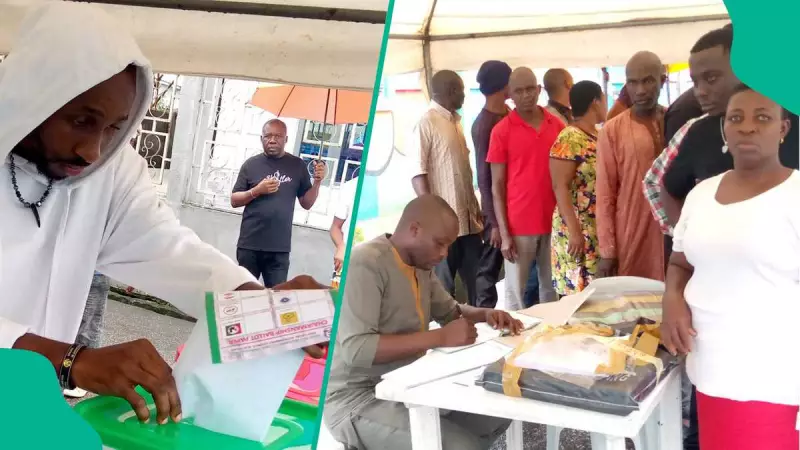
Tinubu's Adviser Alleges Past Election Rigging in Nigeria, Sparks Debate
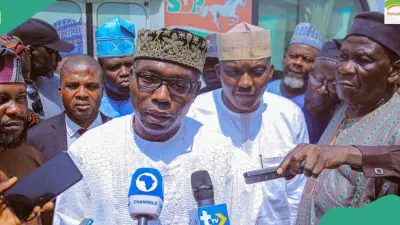
A political adviser to President Bola Tinubu has made controversial remarks alleging that previous elections in Nigeria were rigged, igniting a heated debate among political analysts and the public as the country looks ahead to the 2027 general elections. The statement, which has drawn widespread attention, raises questions about the integrity of Nigeria's electoral processes and the potential implications for future polls.
Details of the Allegations
The adviser, whose name has not been officially disclosed in some reports, claimed that certain past elections in Nigeria were manipulated to favor specific candidates or parties. This assertion has been met with mixed reactions, with some critics accusing the adviser of undermining public trust in the electoral system, while others argue it highlights long-standing issues that need urgent reform. The timing of these comments, coming years before the next presidential election, suggests a strategic move to shape political discourse and possibly influence electoral reforms.
Reactions and Political Fallout
In response to the allegations, various political stakeholders have weighed in. Opposition parties have seized on the remarks to criticize the current administration, calling for transparency and accountability in future elections. Meanwhile, supporters of President Tinubu have defended the adviser, stating that the comments are meant to foster a more honest dialogue about electoral challenges. The controversy has also sparked discussions on social media and in academic circles, with experts analyzing the potential impact on voter confidence and democratic stability in Nigeria.
Implications for the 2027 Elections
As Nigeria prepares for the 2027 elections, this allegation of past rigging could have significant consequences. It may lead to increased scrutiny of electoral bodies like the Independent National Electoral Commission (INEC) and calls for enhanced security measures to prevent fraud. Additionally, the debate could influence policy changes aimed at strengthening electoral laws and ensuring free and fair polls. Observers note that such discussions are crucial for building a more resilient democracy, but they also warn that unsubstantiated claims could polarize the electorate and undermine peace.
Broader Context of Electoral Integrity in Nigeria
Nigeria has a history of electoral controversies, with past elections often marred by allegations of irregularities, violence, and logistical issues. The adviser's comments tap into this broader narrative, reminding citizens of the ongoing challenges in achieving transparent elections. Efforts to improve the system, such as the introduction of technology like the Bimodal Voter Accreditation System (BVAS), have been praised but also faced criticism. This latest development underscores the need for continuous reform and public engagement to uphold democratic principles.
In summary, the allegations by President Tinubu's adviser have stirred a vital conversation about election integrity in Nigeria. As the nation moves toward 2027, these discussions will likely shape political strategies, voter behavior, and institutional reforms, highlighting the importance of addressing past grievances to secure a fairer electoral future.