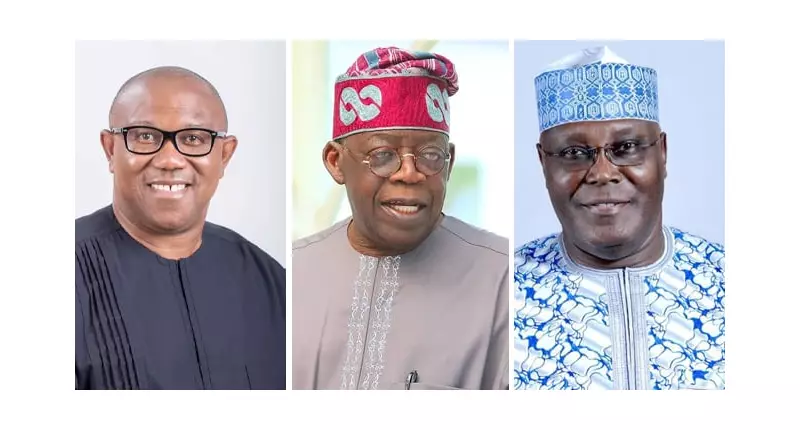
As Nigeria approaches the 2027 presidential election, dangerous undercurrents of tribal and religious politics are emerging, threatening to undermine the nation's hard-won unity. Despite growing public awareness that Nigerians should see themselves as one people, regional and religious considerations continue to shape political alignments in concerning ways.
The Zoning System and Its Hidden Meanings
The concept of zoning the presidency was originally conceived by political stakeholders to address the twin issues of tribe and religion in Nigeria's presidential elections. While the words 'tribe' and 'religion' are rarely mentioned openly today, they remain powerful subtexts in the political landscape.
The zoning arrangement creates clear regional expectations: when the presidency is zoned to the north (including North-East, North-West and North-Central), it is generally perceived as an opportunity for a Muslim-led or Hausa/Fulani presidency. Conversely, the southern zone (comprising South-South, South-West and South-East) typically means a Christian-led presidency in a region dominated by Yoruba and Igbo tribes, though containing many other tribes united by Christian cultural influences.
This arrangement is formally documented in the Constitution of the People's Democratic Party (PDP), while in the ruling All Progressives' Congress (APC), it remains an unwritten understanding recognized by the party hierarchy.
Dangerous Political Realignments for 2027
The absence of zoning provisions in Nigeria's Constitution creates a volatile situation where politicians can exploit tribal and religious sentiments to win votes. This vulnerability is becoming increasingly evident in the pattern of political defections across the country.
Southern Nigeria has witnessed a significant shift from the opposition PDP to the APC, particularly with President Bola Tinubu positioned as the party's likely presidential candidate for 2027. The recent defection of Enugu State Governor Peter Mbah to the APC exemplifies this trend.
Meanwhile, northern Nigeria presents a different picture. The African Democratic Congress (ADC), believed to be promoted by former Vice President Atiku Abubakar, is gradually becoming a vehicle for northern political interests. With his substantial influence, Atiku appears capable of luring northern politicians to the ADC, potentially preventing APC dominance in the region.
Regional Calculations and Voter Sentiments
Political calculations are increasingly driven by regional considerations. Southern politicians are aligning with the APC under the belief that their region should produce the president for another four years. Concurrently, northern politicians are gravitating toward the ADC as their preferred political platform.
The PDP reportedly intends to lure former President Goodluck Jonathan into the race to complete what they see as the south's four-year tenure. However, ordinary Nigerian voters appear to be looking beyond religion and tribe in their discussions, expressing preference for any candidate—regardless of background—who demonstrates the political will to address the suffering of the masses.
To ensure the 2027 presidential election remains free from destructive religious and tribal sentiments, political leaders must avoid using these divisive issues in their campaigns. The APC should particularly avoid promoting the argument that President Tinubu needs eight years in office for the south to "measure up" with the north, which ruled under Muhammadu Buhari from 2015 to 2023.
More importantly, since the zoning arrangement lacks constitutional backing, members of the National Assembly could consider formalizing it to bring greater harmony and cohesion to future presidential elections in Nigeria.