Wike Accuses Amaechi of Hypocrisy Over Electoral Act Electronic Transmission
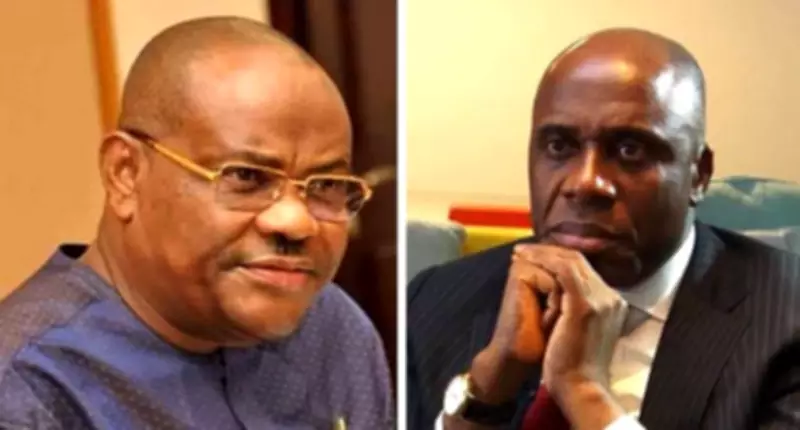
The Minister of the Federal Capital Territory, Nyesom Wike, has launched a scathing attack against former Minister of Transportation Rotimi Amaechi and other opposition figures, accusing them of blatant hypocrisy regarding their criticism of provisions within the newly signed 2026 Electoral Act.
Historical Opposition to Electronic Transmission
During a comprehensive media chat on Monday, March 2, Wike responded directly to opposition objections concerning the clause that permits manual transmission of election results in situations where electronic transmission fails due to poor network coverage. The minister made a startling revelation, claiming that Amaechi had previously opposed the electronic transmission of results while serving under former President Muhammadu Buhari's administration.
"Remember under Buhari, the issue of electronic transmission came. People like Rotimi Amaechi, they were in government, they said 'no, don't sign, if you sign you lose election'," Wike stated emphatically during the media engagement.
The FCT minister questioned the sincerity of Amaechi's current position, asking why he was now demanding full implementation of electronic transmission when he had previously opposed it. "And this is the same person now who is coming out in the public to say there should be electronic transmission, but he refused simply because he felt his boss would be affected," Wike added, suggesting political motivations behind the former minister's earlier stance.
Safeguards in the New Electoral Act
Wike maintained that the new Electoral Act does not abolish electronic transmission but rather provides essential safeguards to prevent votes from being invalidated in areas with unreliable connectivity. He explained that the provision for manual transmission serves as a contingency measure to ensure no Nigerian voter is disenfranchised due to technical limitations.
"Now we are here, they did not say there should not be electronic transmission. All they said is in case, and which is likely, let us not disenfranchise people by not allowing their votes to be counted," the minister clarified, emphasizing the practical considerations behind the legislation.
Direct Primaries and Party Reform
Wike also addressed the ongoing controversy surrounding the requirement for political parties to adopt direct primaries, arguing that this reform was specifically designed to curb the influence of powerful individuals within party structures. According to his analysis, indirect primaries have historically allowed governors, ministers, and wealthy political actors to dominate candidate selection processes.
The minister described Nigerians as "professional complainants," suggesting that critics had previously faulted indirect primaries for concentrating power among party elites and "moneybags." He implied that the same voices now criticizing direct primaries had previously advocated for such reforms to reduce elite control over political processes.
Opposition Calls for Amendments
Meanwhile, opposition parties including the African Democratic Congress and the New Nigeria Peoples Party have called on the National Assembly to initiate fresh amendments to what they describe as "all obnoxious provisions" in the 2026 Electoral Act. These parties argue that the amended law, signed by President Bola Tinubu, contains what they characterize as "anti-democratic" clauses that could potentially undermine electoral transparency and public confidence in the voting process.
The debate over electronic transmission mechanisms and party primaries is expected to intensify significantly in the coming weeks as various stakeholders push for further legislative review ahead of the next electoral cycle. Political analysts anticipate that this controversy will dominate political discourse as Nigeria prepares for future elections under the new legal framework.