Yusuf Buhari Announces Bid for House of Representatives Seat in 2027
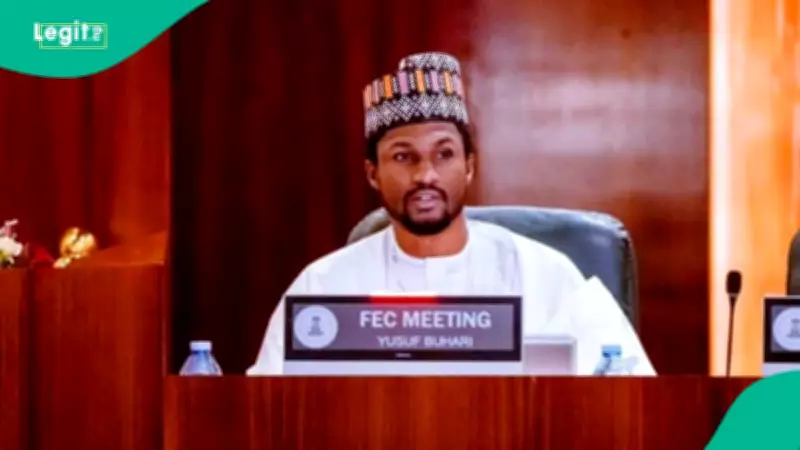
In a significant political development, Yusuf Buhari, the son of the late former President Muhammadu Buhari, has officially declared his interest in contesting for the House of Representatives seat representing the Sandamu/Daura/Mai'Adua constituency in Katsina State. The announcement was made public on Monday, April 6, 2026, through a social media post by Bashir Ahmad, a former presidential aide, who stated that this decision followed extensive consultations with key stakeholders.
Political Ambition Amidst Election Preparations
The declaration comes at a time of political realignment and strategic positioning ahead of the highly anticipated 2027 general elections in Nigeria. Yusuf Buhari, who will be running under the banner of the All Progressives Congress (APC), has stirred considerable debate and mixed reactions across the nation. His entry into the political arena has reignited discussions about political dynasties and the criteria for leadership selection in the country.
Public Reactions and Criticisms
The announcement has elicited a wide range of responses from Nigerians, with many expressing skepticism and concern over the implications of family-based politics. Musa Jidda voiced his apprehension, suggesting that Yusuf Buhari might be leveraging his father's legacy rather than his own merits. He remarked, "This country is still being ruined by emotions and nepotism. The boy may not have the capacity or even the interest, but because he's the son of a powerful figure, kingmakers will ram him into office and end up wasting 4 valuable years of his constituents."
Lekan Johnson highlighted the trend of politics becoming a family enterprise in Nigeria, emphasizing the need for substantive contributions over familial connections. He stated, "Politics is becoming a family business in Nigeria. The real question is not whose son he is, but what fresh ideas and genuine service he brings to the people of that constituency. Nigerians deserve substance over surname."
Bashir expressed doubts about Yusuf Buhari's preparedness and connection to the constituency, arguing that more qualified candidates might be overlooked. He said, "I doubt this guy can even name ten streets in that constituency, yet some people, out of sheer greed and self-interest, are pushing him forward to represent them in the House of Reps. Meanwhile, there are credible and competent individuals who actually live there and understand the real problems facing the community. This kind of mindset is exactly what keeps holding us back; we seriously need to change how we think and choose our leaders in this country."
Basiru Usman Kauru offered a pessimistic view, questioning Yusuf Buhari's potential effectiveness and activity level. He commented, "After wide consultations or forceful consultations, we have now agreed to run. My perception is that I don't think Yusuf Buhari will be so crucial the way he is. I see him so slow and inactive. But, I don't think he will do the needful. Despite that, Falle Daya ce."
Nurh directed criticism towards the late former president, expressing hope that Yusuf would not emulate his father's perceived shortcomings. He noted, "May Allah prevent him from behaving like his father in wickedness. Honestly, we had good expectations of him, but it turns out that’s not the case. We like him, but he does not like us."
Broader Implications for Nigerian Politics
This development underscores ongoing debates about political succession, meritocracy, and the influence of family legacies in Nigerian governance. As the 2027 elections approach, Yusuf Buhari's candidacy is likely to remain a focal point for discussions on electoral integrity and the need for transparent, competency-based leadership selection processes. The reactions from the public reflect a growing demand for accountability and fresh perspectives in the political landscape, challenging traditional norms and encouraging a shift towards more inclusive and representative democracy.