Senate President Akpabio Discloses Timeline for Nigeria's Electoral Act Amendments
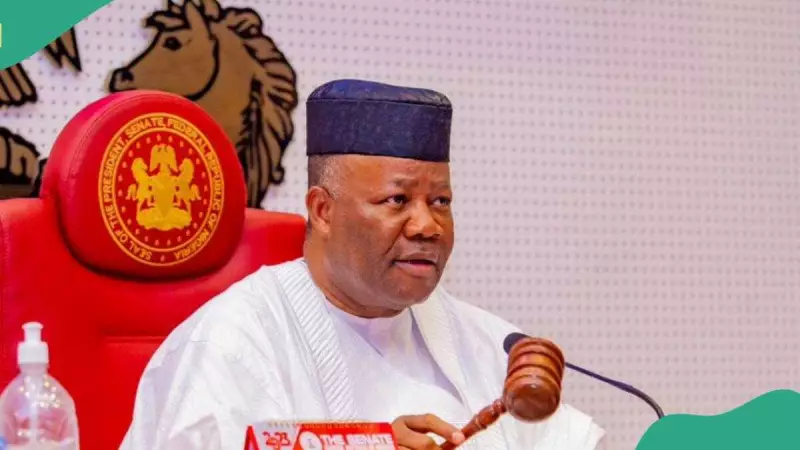
Senate President Godswill Akpabio has provided a clear assurance to Nigerians regarding the readiness of Electoral Act amendments for the upcoming 2027 general elections. This announcement comes amid growing calls from civil society groups for legislative action to strengthen Nigeria's electoral framework.
Senate Schedules Work on Electoral Bill 2025
The Senate has officially scheduled work on the Electoral Bill 2025, with plans to ensure presidential approval by early February 2026. This timeline is crucial as it would allow the Independent National Electoral Commission (INEC) to issue its Notice of Election at least one year before voting commences.
Dr. Monday Ubani (SAN), Special Adviser to the Senate President, delivered this message following weeks of advocacy from the AdvoKC Foundation. The Foundation had been urging the Senate to conclude its recess and prioritize the electoral legislation.
"With the House of Representatives having already passed its version, the process is approaching its final stages," Dr. Ubani stated. "Once the Senate resumes, they will certainly pass it."
Urgent Calls for Electoral Reforms
The AdvoKC Foundation has warned that failure to pass the amendment before INEC's official notice could force the 2027 elections to operate under the 2022 Electoral Act, which exhibited significant shortcomings during the 2023 electoral cycle.
"The Electoral Bill 2025 contains some of the most transformative provisions Nigeria has seen in recent years," the Foundation emphasized. Key reforms highlighted include:
- Early release of INEC funding and audited accounts
- National Identification Number (NIN)-based voter registration
- Clear electoral timelines and procedures
- Early voting mechanisms
- Expanded voting rights for inmates
Addressing Past Electoral Challenges
Dr. Ubani acknowledged that the 2022 Electoral Act revealed significant problems during the 2023 elections, particularly in legal proceedings and result management. The proposed amendments aim to address these issues through several key measures:
- Electronic transmission of results in real-time to reduce manipulation
- Simplified document submission procedures requiring only one officer or lawyer instead of witnesses from every polling unit
- Enhanced transparency and verification mechanisms
Senate's Previous Delays and Current Commitment
The Senate had previously postponed consideration of its own Electoral Bill, SB 903, despite the committee report appearing on the Order Paper on December 3, 2025. The legislative body then proceeded on recess until January 27, 2026.
This delay contrasted sharply with the expedited passage of other bills, prompting concerns from electoral reform advocates. The AdvoKC Foundation welcomed Akpabio's assurance but stressed that execution remains the critical focus.
"We urge Senate President Akpabio and the leadership of the 10th National Assembly to reconvene without delay and pass the 2025 Electoral Act Amendment Bill in the interest of our democracy," the Foundation stated.
INEC Clarifies Election Timetable Status
In related developments, INEC has officially denied releasing any timetable for the 2027 general elections. The commission described circulating documents as fabricated and misleading, emphasizing that no official schedule has been issued yet.
INEC urged all stakeholders to rely exclusively on its verified channels for accurate information, assuring Nigerians that the legitimate timetable will be shared when properly prepared.
Broader Political Context
This electoral reform initiative occurs alongside other significant political developments, including a Supreme Court case involving Senate President Akpabio and Senator Natasha Akpoti-Uduaghan. Legal observers note that this case could establish important precedents regarding legislative autonomy and judicial oversight in Nigeria's democratic system.
The Senate leadership plans to conduct comprehensive briefings for media and judiciary correspondents following the bill's passage to ensure proper public understanding of the new provisions. For electoral reform advocates, the coming weeks will demonstrate whether these crucial democratic reforms will be delivered as promised.