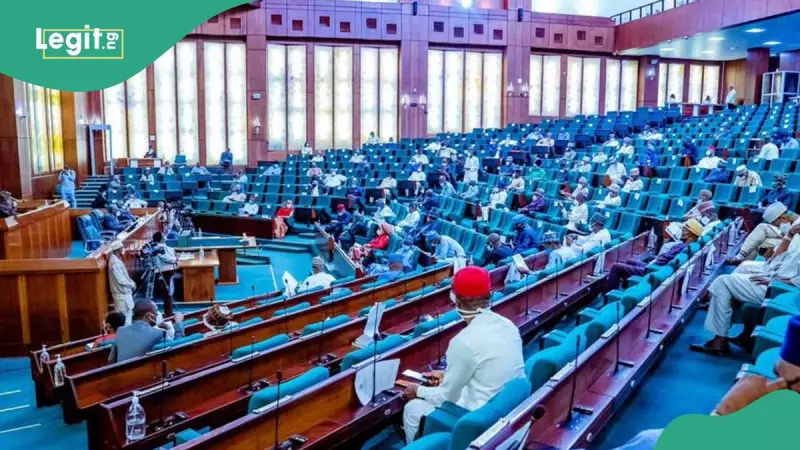
In a significant move to strengthen Nigeria's electoral integrity, the House of Representatives has approved a series of amendments to the Electoral Act, introducing harsher punishments for vote buying and selling. The decision, made on December 19, 2025, aims to curb widespread malpractice that has marred previous elections.
Stiffer Penalties to Deter Electoral Fraud
The proposed changes, approved during a clause-by-clause review in the Committee of the Whole session, significantly raise the stakes for electoral offenders. The new law introduces a minimum jail term of two years or a hefty fine of N5 million, or both, for anyone convicted of buying or selling votes. Crucially, offenders will also face a 10-year disqualification from contesting any election, a major escalation from the existing sanctions which capped punishment at a N500,000 fine or a two-year jail term.
Deputy Speaker Benjamin Okezie Kalu presided over the session, guiding lawmakers through the recommendations from the House Committee on Electoral Matters. The consensus was that previous lighter penalties had failed to deter offenders and eroded public trust in the electoral process.
Real-Time Transmission and Funding Reforms
Beyond punishing vote trading, the House adopted critical amendments to secure the result management process. A revised Section 60(3) now compels the Independent National Electoral Commission (INEC) to transmit polling unit results electronically to the INEC Result Viewing Portal in real time, concurrently with the physical collation. This dual process is designed to drastically reduce opportunities for manipulation between the polling unit and collation centres.
To ensure accountability, presiding officers who wilfully violate procedures related to counting, announcing, or transmitting results now risk a fine of at least N500,000 or a minimum six-month prison sentence.
Furthermore, to improve planning and logistics, the House approved a provision requiring that election funds be released to INEC not later than one year before a general election.
Broader Electoral Process Tightening
The reform package includes several other measures to fortify the electoral system. Penalties for multiple voter registration have been increased, with offenders facing a minimum fine of N100,000 or a one-year jail term. Political parties now have an extended deadline of 210 days (up from 180) to submit their candidate lists to INEC, allowing more time for vetting.
In a nod to technological advancement, the amendments approve the use of electronically generated voter identification, including downloadable voter cards with unique QR codes, for accreditation and voting.
The House continues to deliberate on the remaining sections of the amendment bill, signaling a comprehensive effort to restore credibility to Nigeria's elections. This move follows a separate legislative push to lower the eligibility age for governors and senators from 35 to 30 years, aiming to increase youth participation in political leadership.