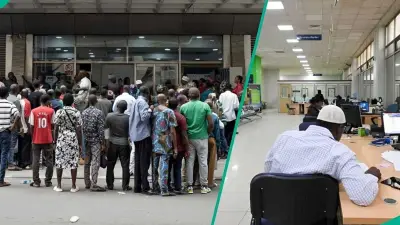
Canada's immigration department has revised its processing-time estimates for temporary residence applications, affecting Nigerian applicants with longer waits for study permits and visitor visas. According to Immigration, Refugees and Citizenship Canada (IRCC), the updated figures, released on August 5, 2026, show that study permit applications from Nigeria now take an estimated seven weeks, up from six weeks in the previous week's data published on July 28. Visitor visa processing has also increased by four days, rising from 64 days to 68 days.
Updated Wait Times for Nigerian Applicants
The revised estimates, which are published weekly by IRCC, provide a breakdown of expected processing times for various application categories. For Nigerian applicants, the current estimated wait times are as follows:
- Work permit: 7 weeks (unchanged)
- Study permit: 7 weeks (up from 6 weeks)
- Visitor visa: 68 days (up from 64 days)
- Super visa: 43 days (up from 41 days)
These figures are estimates only and do not guarantee that an application will be completed within the stated timeframe. IRCC notes that processing times can vary based on the complexity of an individual case, the overall volume of applications in the queue, staff capacity, and whether immigration officers request additional information or supporting documents.
Global Impact: Pakistan and Philippines See Significant Changes
The August 5 revision was not limited to Nigerian applicants. Applicants from Pakistan experienced some of the sharpest shifts in the update. Work permit processing for Pakistani nationals jumped from 11 weeks to 25 weeks, an increase of 14 weeks. Super visa processing for the same group, however, dropped from 196 days to 185 days. Filipino applicants also saw movement in their figures, with study permit processing rising by one week and super visa wait times increasing sharply from 73 days to 100 days.
These changes reflect IRCC's ongoing efforts to manage application volumes and processing capacity. The department updates its temporary residence processing times on a weekly basis, and the next revision for Nigerian and other applicants is expected around August 12, 2026, at which point the figures could rise or fall again.
Canada Remains a Top Immigration Destination
Canada continues to rank among the world's top immigration destinations, drawing skilled workers, students, and families from around the globe. The country's immigration policies have been a point of interest for many Nigerians, particularly those considering studying or working abroad. According to Ridwan Adeola Yusuf, a Legit.ng journalist with over nine years of experience covering migration issues, the new processing times may impact travel and study plans for many applicants.
In related news, the United Kingdom (UK) government recently opened its Global Talent visa to more than 100 research-intensive private companies, allowing them to bring some of the world's most skilled scientists and engineers to work in Britain. This announcement marks a significant shift in how the visa's endorsed funder pathway operates. Until now, only universities, research institutes, and a limited number of approved research bodies could use this route to sponsor incoming researchers. Commercial businesses can now do the same.
For Nigerian applicants, staying informed about these changes is crucial. The IRCC's weekly updates provide a reliable indicator of current processing trends, but applicants should also prepare for potential delays due to individual circumstances. As the next update approaches, many will be watching to see if the trends continue or reverse.