The Federal Government has issued a strong directive for state and local governments to take the lead in responding to disasters and fighting poverty. This new approach aims to make interventions faster and more effective by leveraging local knowledge.
States Must Take Charge, Says Minister Doro
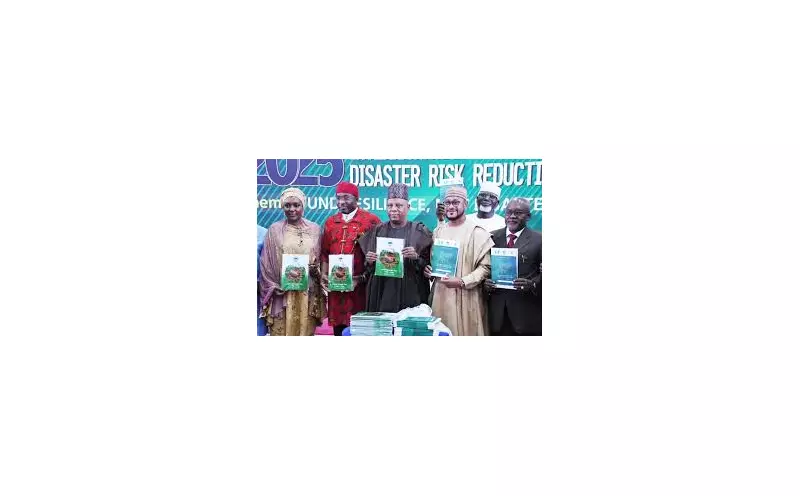
Dr. Bernard M. Doro, the Honourable Minister of Humanitarian Affairs and Poverty Reduction, made the call at a high-level dialogue in Abuja on December 17, 2025. The event was supported by the European Union.
Dr. Doro stated that states must now assume primary operational responsibility for first-line humanitarian responses. He pointed to Nigeria's recurring challenges like flooding, insecurity, mass displacement, and growing socio-economic vulnerabilities as reasons for this shift.
He argued that sub-national ownership is essential, not optional, because state and local governments are closer to the people and understand the local context better. This proximity is critical for delivering timely and sustainable help.
Key Goals and a New National System
The minister outlined clear objectives from the dialogue. These include strengthening state ministries with better budgeting, improved preparedness systems, and tighter emergency coordination. He also stressed the need to weave humanitarian planning directly into state development plans.
To make this work on the ground, Dr. Doro highlighted practical steps like establishing early warning systems, improving coordination between State Emergency Management Agencies (SEMAs) and community groups, and using Results-Based Financing (RBF). RBF ties funding directly to measurable results, which boosts accountability.
At the meeting, Dr. Doro launched a major new policy initiative called the "One Humanitarian, One Poverty Reduction System." This is a national platform designed to track and harmonise all interventions from the government, development partners, civil society, and the private sector.
"The system will enhance transparency, provide real-time data, eliminate duplication and support evidence-based decision-making, while anchoring financing on verifiable results," the minister explained.
Collaboration and Next Steps for Implementation
Dr. Doro acknowledged that progress will be step-by-step but is achievable with sustained commitment and teamwork. He revealed that a follow-up meeting is scheduled for February, and the National Council on Humanitarian Affairs and Poverty Reduction will also convene. These forums will help ensure states and local governments fully adopt and implement the new national policies, with a sharp focus on creating livelihoods and moving people out of poverty for good.
Also speaking at the event, the Minister of Budget and National Planning, Alhaji Atiku Bagudu, highlighted the constitutional basis for cooperation across all government levels. He noted that recent macroeconomic reforms and increased fiscal inflows to states and local governments create fresh opportunities to invest in humanitarian and social sectors.
The EU's Head of State, Human Development, Ms. Leila Mathieu, reaffirmed the European Union's commitment to backing Nigeria's humanitarian priorities. She emphasised support through models that promote local ownership and sustainable financing.