
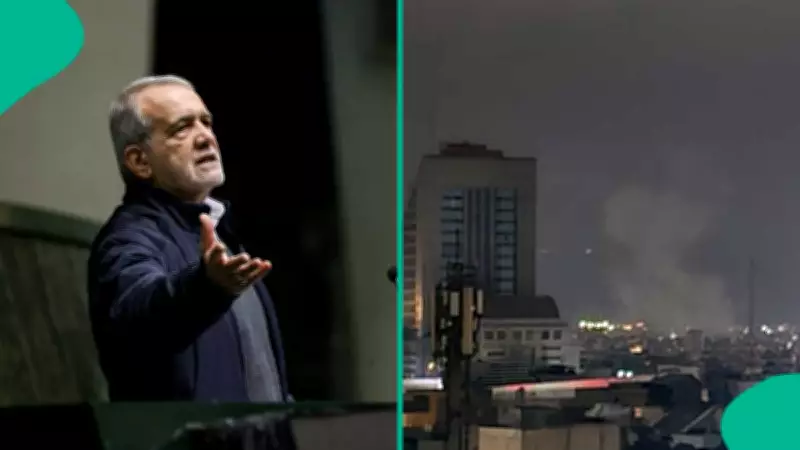
Global Conflict Escalates: 15 Nations Drawn into US-Israel War Against Iran
The military conflict initiated by the United States and Israel against Iran has rapidly escalated, pulling in nations far beyond the Middle East and reshaping global security dynamics in real time. What began with targeted strikes has triggered a wave of retaliations, drawing allies and bystanders into a widening battlefield.
Rapid Escalation Beyond Regional Borders
Since the initial U.S. military operation launched on February 28, 2026, the conflict has expanded dramatically. Iran has responded with retaliatory strikes against Israel and several Gulf nations, while the United States continues its campaign targeting Iran's nuclear program, missile arsenal, and proxy networks. The stated objective of regime change has transformed a regional confrontation into an international crisis.
Comprehensive Breakdown of Involved Nations
United States: President Trump launched the massive military operation last Saturday, resulting in at least six U.S. service member fatalities since the conflict began. The operation specifically targets Iran's nuclear capabilities and military infrastructure.
Israel: Working closely with U.S. forces, Israeli strikes achieved a significant escalation by killing Supreme Leader Ali Khamenei and dozens of senior Iranian officials following failed nuclear negotiations.
United Arab Emirates: The UAE has absorbed approximately 800 projectiles from Iran, including drone strikes on Dubai's Palm Jumeirah luxury hotel and fires at Jebel Ali Port. The nation has closed its embassy in Tehran and is considering military responses.
Qatar: Iranian drones struck two Qatari energy facilities, forcing suspension of most natural gas production. Qatar's air force demonstrated defensive capabilities by shooting down two Iranian Su-24 fighter jets.
Kuwait: Iran targeted Kuwait on the war's opening day, resulting in the first American fatalities. Subsequent friendly fire incidents saw U.S. jets mistakenly downed by Kuwaiti forces, though all six pilots survived after ejecting.
Bahrain: Iranian attacks focused on U.S. bases in Bahrain, with visible smoke near the U.S. Navy's 5th Fleet headquarters. Drone strikes also hit residential buildings in Manama, raising significant civilian safety concerns.
Oman: Previously serving as a mediator in nuclear talks, Oman saw its U.S. bases attacked on the conflict's second day, demonstrating how quickly neutral states have been drawn into hostilities.
Saudi Arabia: Iranian drones struck the massive Ras Tanura oil refinery, forcing partial shutdown operations. Additional attacks targeted the U.S. embassy in Riyadh, with Israeli officials anticipating potential Saudi military responses.
Jordan: Iran expanded the battlefield by firing missiles and drones at U.S. bases located within Jordanian territory.
Lebanon: Hezbollah broke its ceasefire with Israel, launching missiles and drones on Monday. Israel responded with heavy airstrikes across Lebanon, resulting in at least 40 fatalities including Hezbollah commanders.
Iraq: Iran struck Iraq's Kurdish region while pro-Iranian militias attacked U.S. bases. Supporters attempted to storm the U.S. embassy in Baghdad, illustrating the conflict's penetration into Iraqi political dynamics.
Cyprus: Iranian drones struck the British Royal Air Force base at Akrotiri, with reports suggesting Hezbollah involvement, thereby pulling the United Kingdom and European Union deeper into the conflict.
Azerbaijan: Iranian drones attacked civilian areas and an airport in Azerbaijan, prompting the Defence Ministry to vow necessary retaliatory measures to defend territorial integrity and sovereignty.
United Kingdom: Following the attack on its Cyprus base, Prime Minister Keir Starmer authorized U.S. use of British air bases and dispatched a Royal Navy destroyer along with counter-drone helicopters to the region.
France and Germany: Initially advocating for negotiations, both European powers shifted positions after Iranian strikes affected their personnel. A German army camp in Jordan was attacked, prompting Chancellor Friedrich Merz to meet President Trump at the White House on Tuesday.
Global Security Implications
The conflict has spiraled into a genuine global crisis, with embassies worldwide remaining on high alert and military bases across multiple continents coming under fire. The situation remains exceptionally volatile and unpredictable as traditional alliances are tested and new battle lines emerge across international borders.
Global powers including the United Kingdom, France, and Germany have now joined the escalating conflict, marking a significant expansion beyond Middle Eastern theaters. The involvement of European nations particularly underscores how regional conflicts can rapidly transform into international security challenges affecting global stability and diplomatic relations.




