Argentina Formally Exits World Health Organization, Completing Process Initiated Under Milei Government
Argentina has officially and formally withdrawn from the World Health Organization, with the nation's foreign minister confirming the completion of the process. This significant decision follows a similar move made earlier this year by the United States, marking a notable shift in international health cooperation.
Government Decision and Timeline
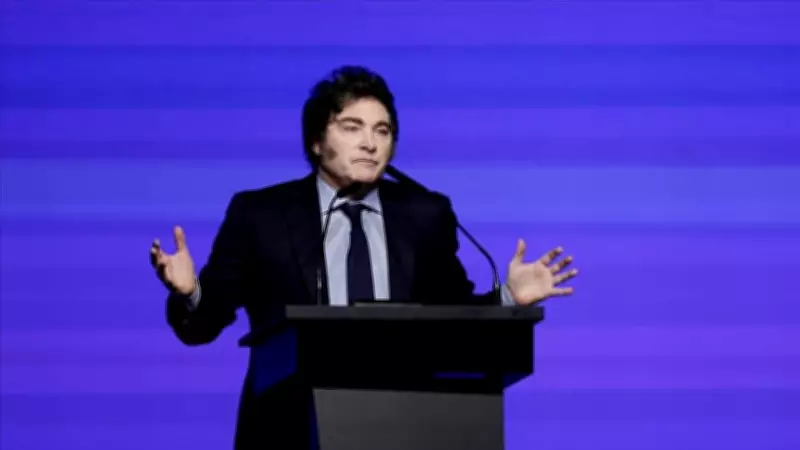
The withdrawal comes under the administration of President Javier Milei, who had publicly announced plans to leave the WHO approximately one year ago. Milei's administration has been highly critical of the organization's management and response during the Covid-19 pandemic, arguing that its recommendations were ineffective and driven more by political interests than scientific evidence.
According to Argentina's Foreign Ministry, the withdrawal process has now been fully completed in strict accordance with international treaty timelines and procedures. This formal exit represents a concrete implementation of policy directions set by the Milei government since taking office.
Foreign Minister's Statement on Future Health Cooperation
Foreign Minister Pablo Quirno provided detailed comments regarding Argentina's position, stating: "Argentina will continue to promote international cooperation in health through bilateral agreements and regional forums, while fully preserving its sovereignty and its capacity to make decisions regarding health policies."
Quirno further elaborated that Argentina intends to maintain active engagement in global health matters outside the formal WHO framework. The country had previously articulated its position that "the WHO's recommendations are ineffective because they are not based on science, but on political interests," a criticism that formed a central justification for the withdrawal decision.
Parallel to United States Withdrawal
Argentina's move closely mirrors actions taken by the United States, where former President Donald Trump formalized that country's withdrawal in January, after signing an executive order upon returning to office. The parallel decisions by two significant nations represent a notable challenge to the WHO's traditional role in coordinating global health responses.
The World Health Organization has historically played a major and influential role in international public health, including landmark efforts to eradicate smallpox and ongoing campaigns to combat diseases such as polio, HIV, Ebola, and tuberculosis. The organization's work has typically involved coordinating international responses, setting health standards, and providing technical assistance to member nations.
WHO Leadership Response and Global Implications
Earlier this year, WHO Director-General Tedros Adhanom Ghebreyesus responded to the United States withdrawal by expressing deep regret over the decision. He warned that such moves could potentially make both the withdrawing nation and the broader global community less safe by undermining coordinated international health efforts.
The Argentine withdrawal raises similar concerns about fragmentation in global health governance and the potential impact on disease surveillance, outbreak response coordination, and international health standard setting. As Argentina pursues health cooperation through alternative bilateral and regional channels, observers will monitor how this shift affects both Argentina's domestic health policies and its role in international health diplomacy.