Beyond the Banquet: What the UK-Nigeria State Visit Must Deliver
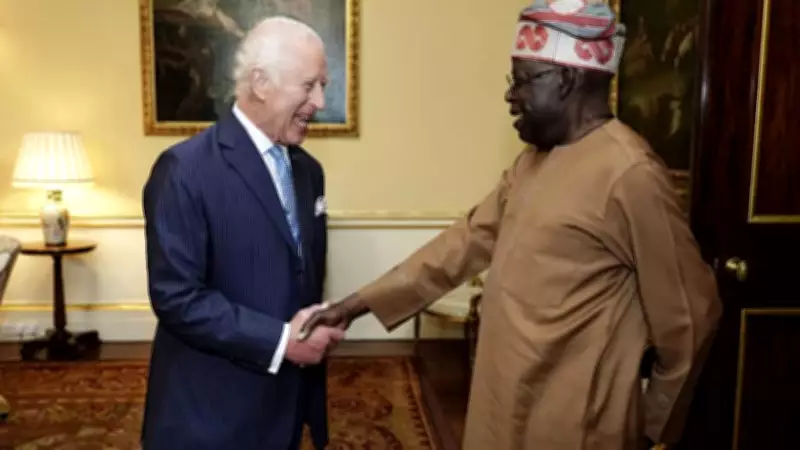
State visits represent masterclasses in diplomatic optics. The carriage processions, the state banquets, and the ceremonial displays all signal that two nations hold each other in high esteem. This week, President Bola Tinubu arrives at Windsor Castle for the first Nigerian State Visit to the United Kingdom in thirty-seven years, marking the first such occasion since General Ibrahim Babangida's visit in 1989. Prior to that, State Visits occurred in 1973 and 1981.
Throughout the intervening decades, the bilateral relationship has continued quietly but persistently. King Charles visited Nigeria four times during his tenure as Prince of Wales, in 1990, 1999, 2006, and 2018. Queen Elizabeth II's final visit took place in 2003 for the Commonwealth Heads of Government Meeting. Most recently, in September of last year, King Charles received President Tinubu at Buckingham Palace, where climate change reportedly formed the central topic of their discussion.
A Relationship Elevated, But Outcomes Required
This diplomatic relationship is not new. What is new is its elevated status. However, elevation only holds significance if it translates into tangible, real-world results. Nigeria has implemented significant economic reforms under President Tinubu's administration. Inflation has fallen sharply from its 2024 peak, and GDP growth has returned, presenting a genuine macroeconomic improvement for discussion.
The United Kingdom, in its post-Brexit era, actively seeks reliable international partners. Nigeria, with a population approaching 230 million people, represents an obvious and strategic partner. Yet, Nigeria's economic growth has a long and troubling history of failing to reach the citizens who need it most. Any new bilateral framework must include explicit, enforceable commitments to inclusive growth, moving beyond mere headline trade volume announcements.
Climate Cooperation Must Address Nigerian Realities
The previous conversation between King Charles and President Tinubu focusing on climate change is a valuable diplomatic asset. It must now be built upon with concrete action. Nigeria stands on the front line of climate devastation. Lake Chad has shrunk dramatically, annual flooding displaces hundreds of thousands, and desertification is forcing communities off ancestral farmlands.
Concrete commitments are urgently needed. What specific climate adaptation funding will reach Nigeria's most vulnerable communities? What tangible support exists for Nigeria's energy transition, considering millions still lack reliable electricity? Climate cooperation that primarily serves UK investment interests without addressing Nigerian energy poverty is not genuine partnership; it is resource extraction with better branding.
The Vital Role of the Diaspora
The Nigerian diaspora remits more money to Nigeria annually than many official bilateral aid programs. This community builds institutions, transfers critical knowledge, and sustains families nationwide. Yet, it remains conspicuously absent from formal international development frameworks.
A formal Diaspora Development Partnership, complete with its own dedicated workstream and accountability structure, would represent an achievable and profoundly meaningful outcome from this historic visit. Similarly, a revised visa framework that reflects the mutual partnership both governments profess to share is essential. Celebrating diaspora contributions at a Windsor banquet while simultaneously making it harder for Nigerians to travel freely represents a glaring contradiction that this visit should aim to resolve.
Security Cooperation with Accountability
UK-Nigeria security cooperation holds genuine value for regional stability. However, cooperation established without human rights conditionality carries significant risk. Nigeria's security forces face serious and credible allegations of extrajudicial violence. Any deepening of security ties must, therefore, include explicit, verifiable commitments to accountability and civilian protection. A relationship that prioritizes stability over accountability will ultimately achieve neither.
Defining True Success
The state banquet will undoubtedly be beautiful. The official photographs will circulate for years to come. What will truly matter in five years is whether any of this diplomatic activity moved the needle for ordinary people: for a farmer in Kebbi State battling climate change, for a student in Enugu trying to secure an educational visa, or for a British-Nigerian professional who has spent a career building bridges between two nations only now beginning to treat each other as true equals.
King Charles has visited Nigeria four times. He has seen firsthand what is at stake. The diplomatic foundation is firmly in place. The critical question now is what substantive structure gets built upon it.