China Demands Immediate End to Military Actions in Strategic Strait
China has issued a strong call for an immediate halt to all military operations in the Middle East, specifically urging restraint from all parties involved as tensions escalate around the critical Strait of Hormuz. This strategic waterway serves as one of the world's most vital oil shipping routes, handling approximately 20% of global oil supplies daily.
Response to Trump's Call for International Protection
The Chinese statement came directly in response to renewed appeals from United States President Donald Trump, who has been urging major global powers to contribute naval forces to help secure the waterway. This follows significant disruptions to commercial shipping linked to the ongoing conflict involving Iran, which has intensified military exchanges in the region.
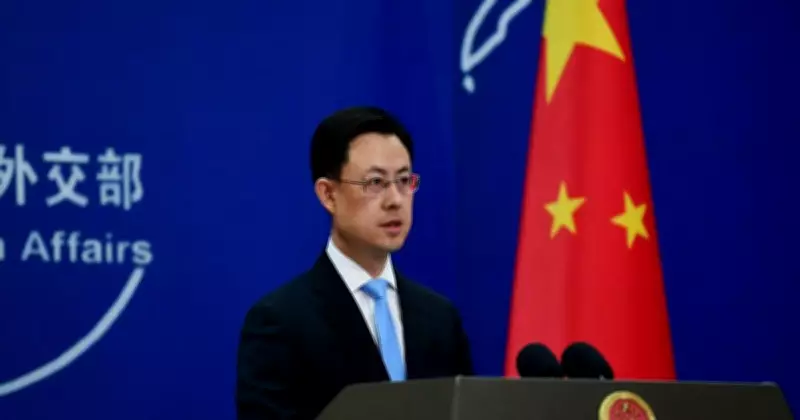
Chinese Foreign Ministry officials emphasized that escalating military actions around the strait pose serious risks of worsening regional instability and threatening global economic stability. A spokesperson explicitly stated that all parties involved in the crisis should "stop military operations immediately" and prioritize diplomatic efforts to prevent further escalation.
The Critical Importance of the Strait of Hormuz
The Strait of Hormuz, located between Iran and Oman, represents a narrow but crucial maritime passage through which massive volumes of oil transit daily. Any significant disruption in this channel can quickly trigger global energy concerns, push oil prices substantially higher, and create ripple effects across international markets that would affect economies worldwide.
The current crisis intensified after Iranian forces disrupted shipping in the strait following heightened military exchanges in the region. In response, President Trump specifically urged several countries including China, the United Kingdom, Japan, and South Korea to contribute naval forces to protect commercial vessels and ensure that oil shipments can continue moving safely through the waterway.
China's Diplomatic Approach Contrasts with Military Options
However, China has not indicated any intention to deploy military vessels to the region. Instead, Beijing has emphasized the importance of de-escalation, dialogue, and diplomatic engagement among all parties involved in the crisis. China's position reflects growing international caution over becoming directly involved in the conflict, with several countries expressing reluctance to commit naval forces due to fears that increased military presence could widen the confrontation.
This hesitation was also reflected earlier when the United Kingdom officially rejected Trump's request to send Royal Navy warships to the strait. British Prime Minister Keir Starmer stated that the UK would not deploy warships to the region despite pressure from Washington. Instead, London is considering non-combat support measures, such as mine-clearing technology, to help secure the route without escalating tensions.
Growing International Divide Over Crisis Response
Taken together, the responses from China and the United Kingdom highlight a broader divide among global powers regarding how to respond to the escalating crisis. While the United States continues pushing for a multinational naval coalition to protect shipping in the Strait of Hormuz, several countries appear more focused on diplomacy and de-escalation rather than expanding military operations in an already volatile region.
The contrasting approaches underscore fundamental differences in how major powers view their roles in Middle Eastern conflicts and their willingness to commit military resources to potentially dangerous situations. As tensions continue to mount around this critical shipping corridor, the international community watches closely to see whether diplomatic solutions can prevail over military escalation in one of the world's most strategically important regions.