Nigerian Diaspora Leader Reflects on Historic UK State Visit Invitation
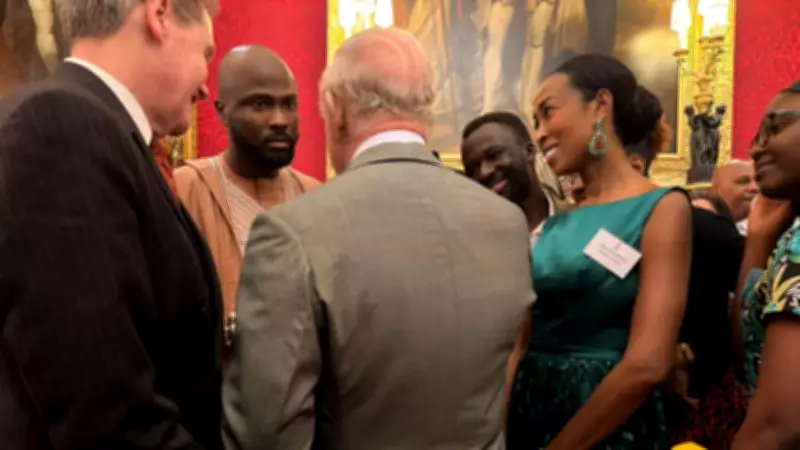
When the invitation arrived, I read it twice to ensure it was real. His Majesty King Charles had extended a personal invitation to a select group of Nigerian diaspora leaders for a private reception at St. James's Palace, just days before President Bola Tinubu's historic state visit to the United Kingdom. This marked the first such high-level diplomatic event between Nigeria and the UK in 37 years, and I was honored to be included in the room.
What struck me most profoundly was not the personal recognition, but the symbolic weight of this moment for every Nigerian who has built a life in the UK, contributed to British society, and often felt like a guest rather than a valued stakeholder. To fully grasp the importance of this visit, one must understand its historical context.
A Long-Awaited Diplomatic Milestone
Previous Nigerian state visits to the UK occurred in 1973 and 1981, followed by General Ibrahim Babangida's visit in 1989 under Queen Elizabeth II. After that, nearly four decades passed without a state visit at the highest diplomatic level, though relations continued through lower-level engagements. King Charles, during his time as Prince of Wales, visited Nigeria four times in 1990, 1999, 2006, and 2018, while Queen Elizabeth II's last visit was in 2003 for the Commonwealth Heads of Government Meeting.
In September 2024, King Charles received President Tinubu at Buckingham Palace, where climate change was reportedly discussed. However, a bilateral meeting, no matter how cordial, does not carry the same weight as a formal state visit, which signals a deeper commitment and strategic intent between nations.
The Intimate Gathering at St. James's Palace
The reception at St. James's Palace was an intimate affair, distinct from a press event or photo opportunity. It brought together individuals who navigate the intersection of Nigerian heritage and British civic life, professionals who have dedicated their careers to building bridges between these two cultures and their respective expectations.
As I participated, my thoughts turned to the countless Nigerians in the diaspora who may never receive such an invitation but whose lives are profoundly impacted by decisions made in these elite settings. This includes the young British-Nigerian graduate facing biases in the job market, the entrepreneur managing capital flows between London and Lagos, and families balancing dual identities and narratives about belonging.
What the Diaspora Deserves from This Visit
I am not naive about the realities of diplomacy; state visits often yield communiques rather than immediate, tangible change. However, such moments create crucial opportunities that can lead to real progress if actively pursued. Here are key areas where this visit must deliver meaningful outcomes for the Nigerian diaspora:
- A Formal Diaspora Agenda: The economic and civic contributions of the Nigerian community in the UK must be formally recognized, not merely as a footnote in trade agreements. Diaspora remittances to Nigeria consistently surpass foreign direct investment, underscoring our role as a significant economic force that deserves acknowledgment and partnership.
- Improved Visa Framework: Post-Brexit immigration policies have made movement between the UK and Nigeria more difficult, costly, and often humiliating. A strategic partnership should facilitate a visa system that reflects mutual respect and collaboration, easing barriers for travel and business.
- Climate Action Commitments: It is encouraging that climate change was reportedly discussed during King Charles's meeting with President Tinubu in 2024, and the King emphasized this issue in our brief conversation. Nigeria is on the front lines of the climate crisis, and any bilateral agreement must prioritize climate adaptation with binding commitments to secure a sustainable future.
Building on a Foundation of Engagement
King Charles's four visits to Nigeria have given him firsthand insight into the country's potential and challenges. President Tinubu's discussions with him on climate issues lay a foundation for deeper collaboration. The Nigerian diaspora in the UK has waited too long to be treated as a genuine partner in this relationship rather than an afterthought. This state visit represents a beginning; what we achieve with it depends on our collective efforts to advocate for inclusive policies and sustained engagement.
Oluwatobi Aigbogun is a Nigerian leader active in international development, philanthropy, and sustainability. He serves as Managing Partner at DevTalks Ltd, a Trustee at the United Nations Association UK, and co-hosts the award-winning Sustainability and Climate Podcast. Based in London, he continues to work at the nexus of diaspora advocacy and global issues.